Orleans Shoe Co. — Fitted in Person
Shoes for Bunions in New Orleans & Metairie
A bunion doesn't mean you're stuck in ugly shoes. It means you need room in the right place — a wider toe box, soft materials that give where they need to, and straps you can adjust instead of a fixed fit. That's what we do.
Every bunion is different
We Don't Guess
Some bunions are mild and just need a wider toe box. Others need adjustable straps, stretchy uppers, or a specific brand shape that doesn't press on the joint. We take a Harris mat imprint, measure both feet, and look at where your bunion actually sits before we pull a single shoe.
Locally owned and fitting New Orleans since 2002. Voted Best Locally Owned Shoe Store by Gambit readers in 2018, 2019, 2020, 2021, 2024, 2025, and 2026, with over 3,000 verified customer reviews at 4.9 stars.
What Is a Bunion?
A bunion — medically called hallux valgus — is a bony bump that forms at the base of the big toe. It happens when the big toe leans inward toward the second toe, and the joint at the base pushes outward. Over time the joint enlarges and can become painful, red, or inflamed.
Bunions get worse over time, not better. The good news: the right shoes can slow the progression, reduce the pain, and let many people stay active without surgery.
Quick Facts
- Extremely common. Studies estimate around 1 in 5 adults has a bunion to some degree. Over 65, it's closer to 1 in 3.
- Far more common in women — some studies show up to 10 times more likely, largely due to narrower shoes and high heels.
- They worsen with age. Most common after 40, and often accelerate during pregnancy and menopause.
- Genetics plays a big role. If your mother or grandmother had bunions, you're more likely to develop one even with good footwear.
- They affect other joints. A serious bunion changes how you walk, which can lead to knee, hip, and lower back pain.
- Surgery is the only cure — but the right shoes relieve symptoms well enough that many people delay it for years, or never need it.
What Causes Bunions
- Genetics. Foot shape, metatarsal length, and ligament strength are inherited.
- Narrow or pointed shoes. Squeezing the toes together pushes the big toe out of alignment.
- High heels. They force the toes into the narrow front of the shoe, loading the big-toe joint.
- Flat feet or fallen arches. Change how weight distributes across the foot and add pressure to the joint.
- Arthritis. Rheumatoid arthritis in particular can trigger bunion formation.
- Pregnancy. Hormones loosen the ligaments in the feet, and extra weight speeds things up.
- Prior foot injury. Old trauma can set the stage for a bunion later.
How to Know It's a Bunion
- A visible bump on the side of the foot at the base of the big toe
- The big toe leaning inward toward the second toe
- Pain or soreness at the bump, especially in tight shoes
- Swelling, redness, or warmth around the joint
- A callus or corn over the bump or between the first and second toes
- Stiffness or reduced movement in the big toe
- Trouble finding shoes that fit — this is usually what brings people in
The Brands That Work
These are the ones we reach for most when someone walks in with a bunion:
-
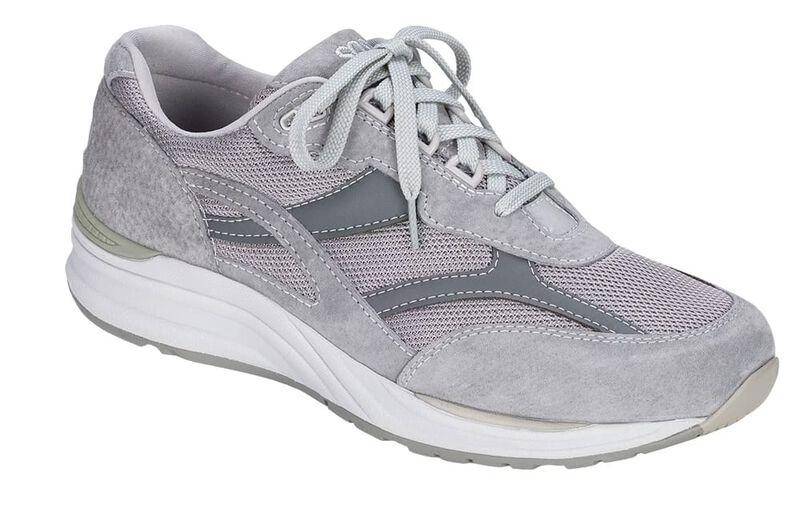
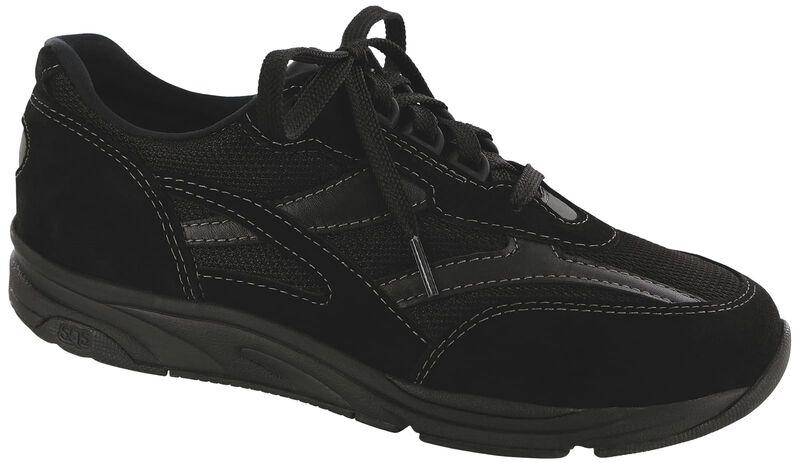
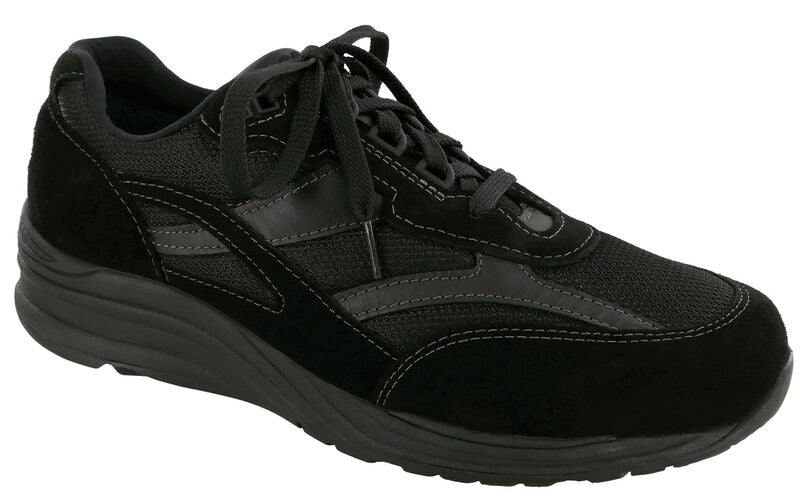
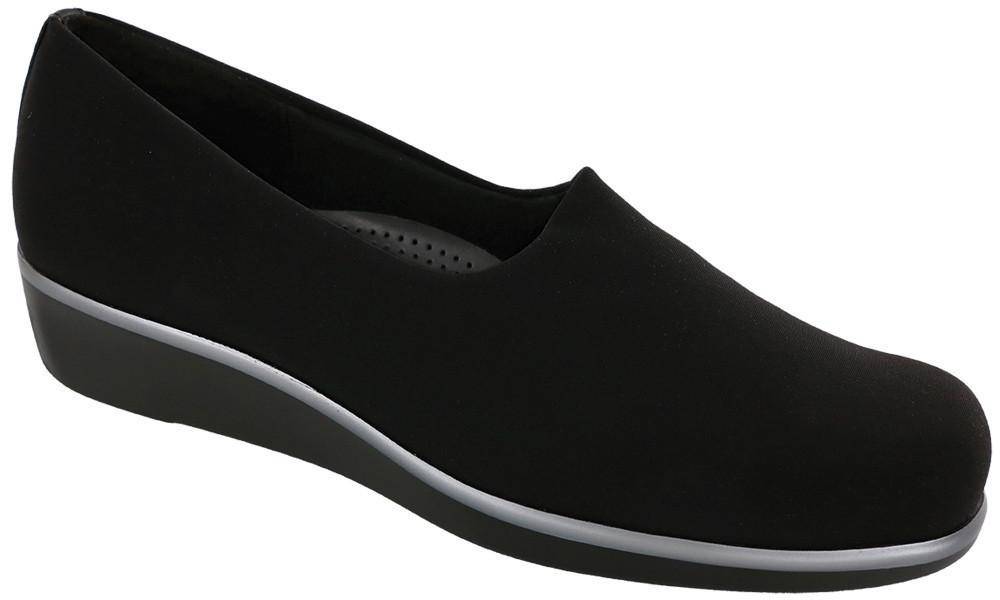
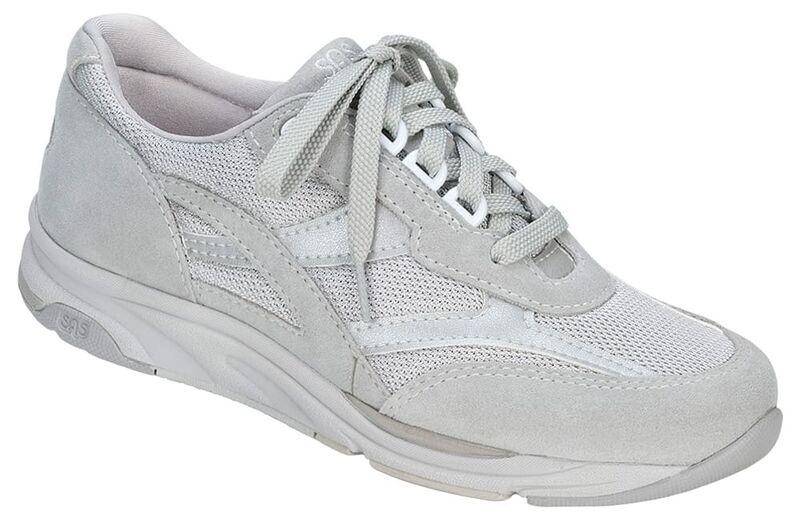
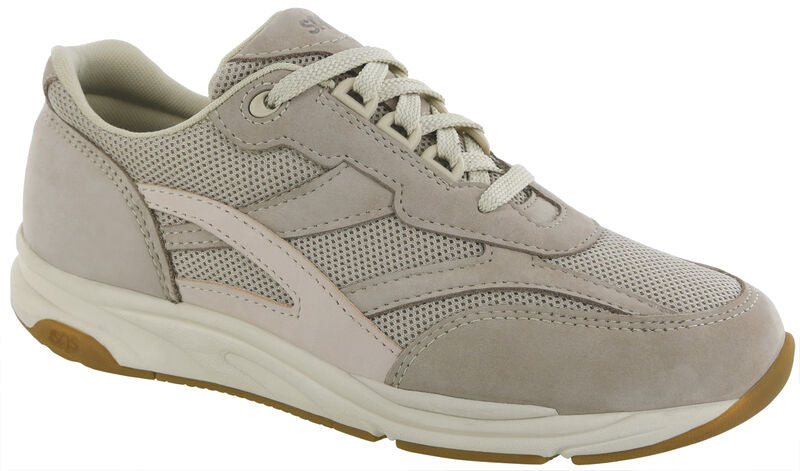
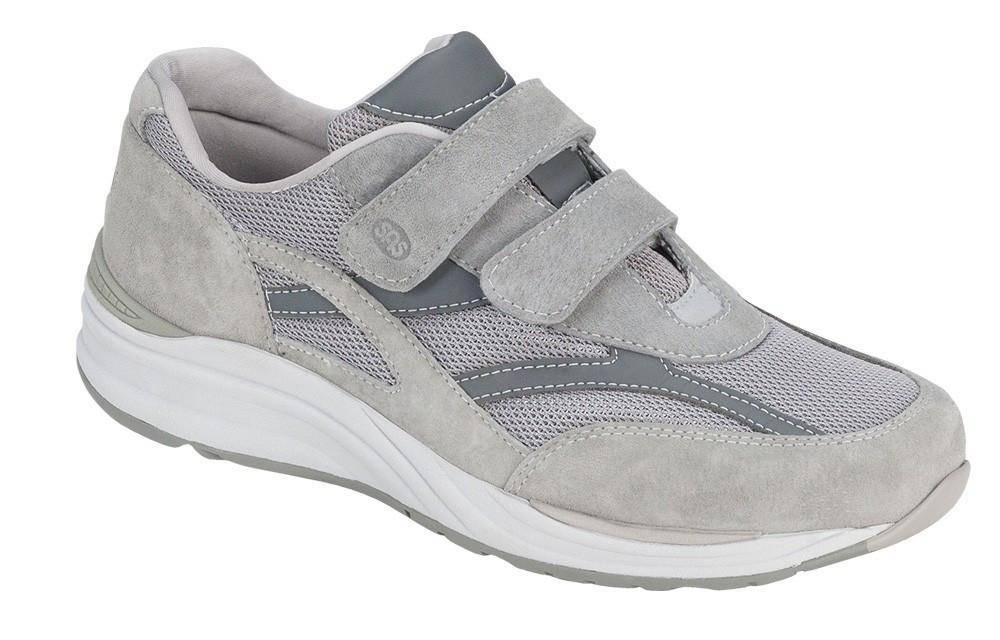
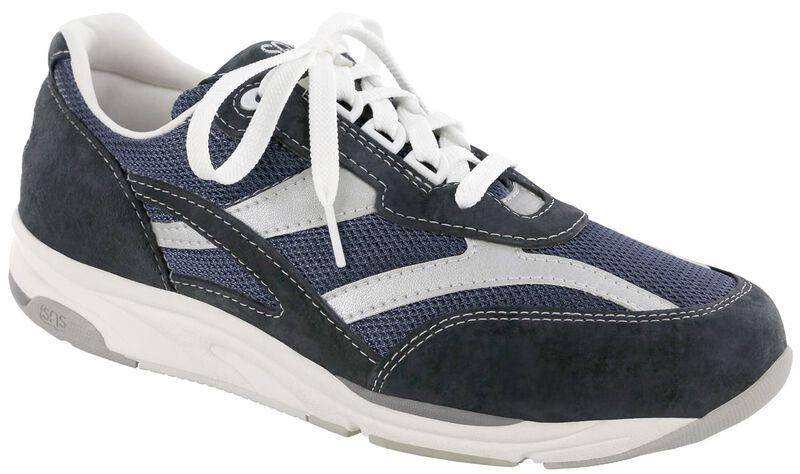
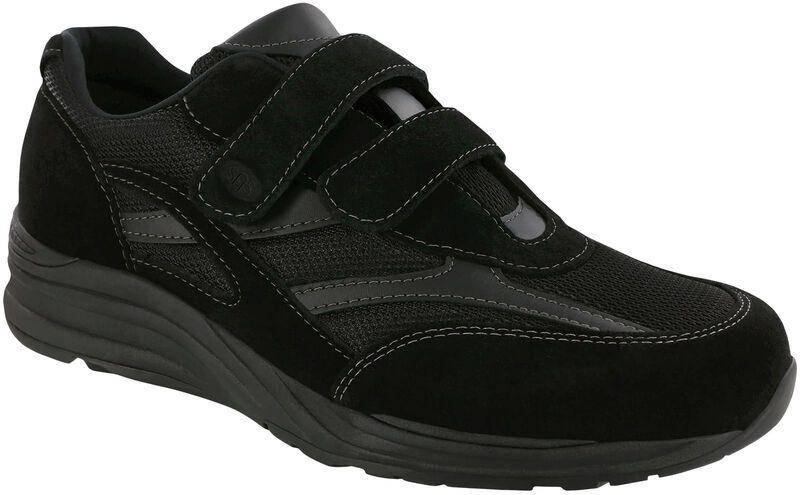
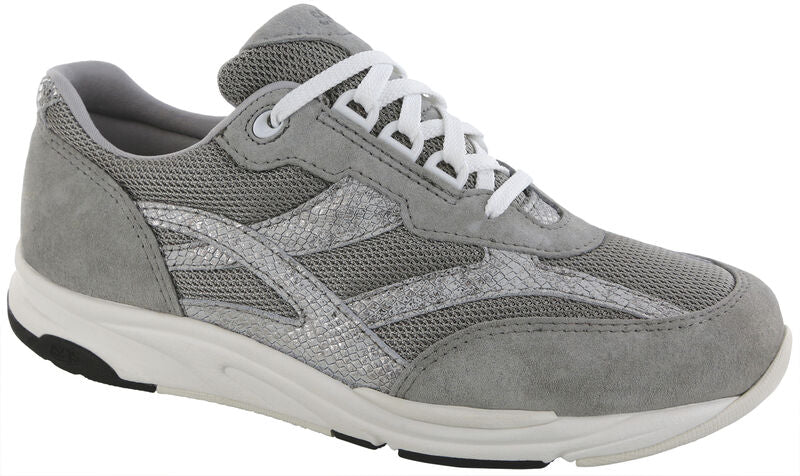
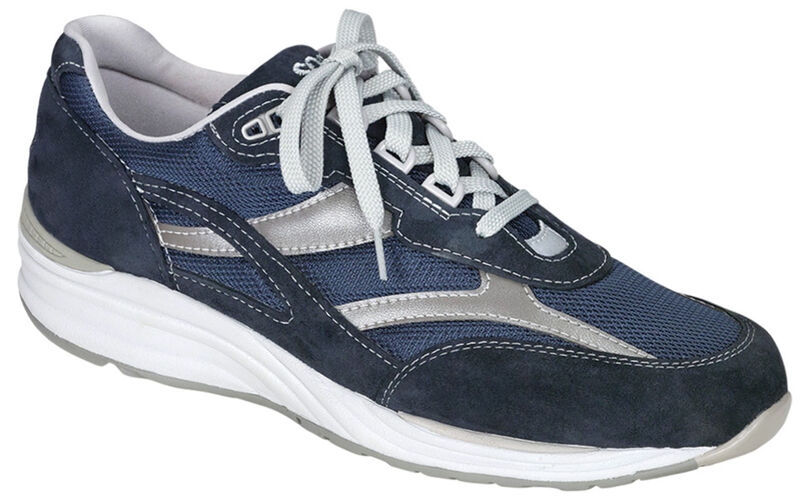
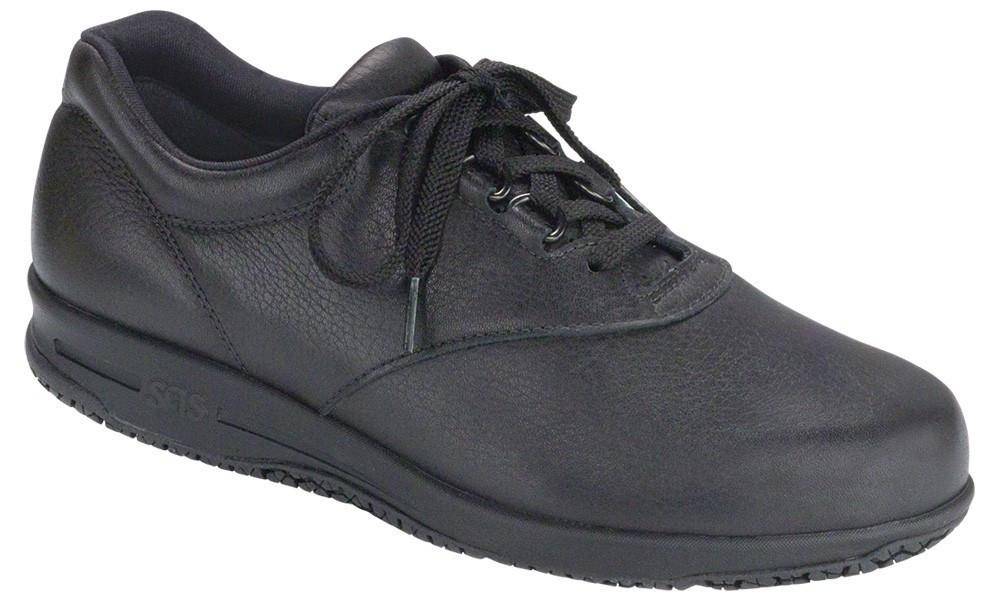
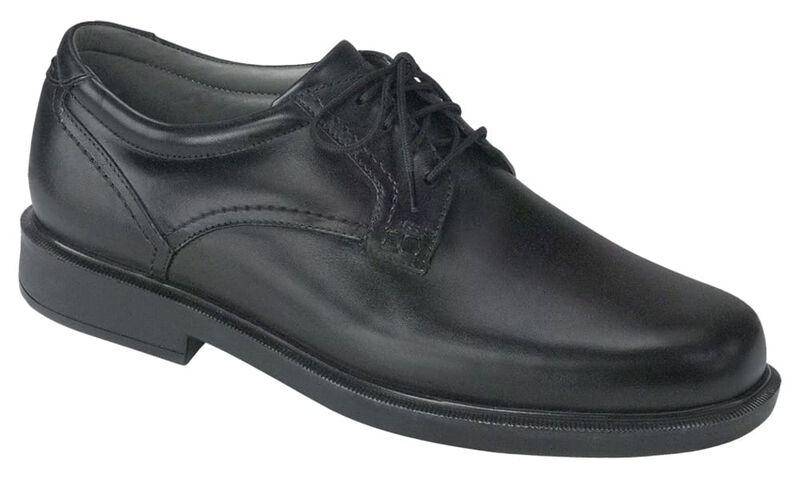
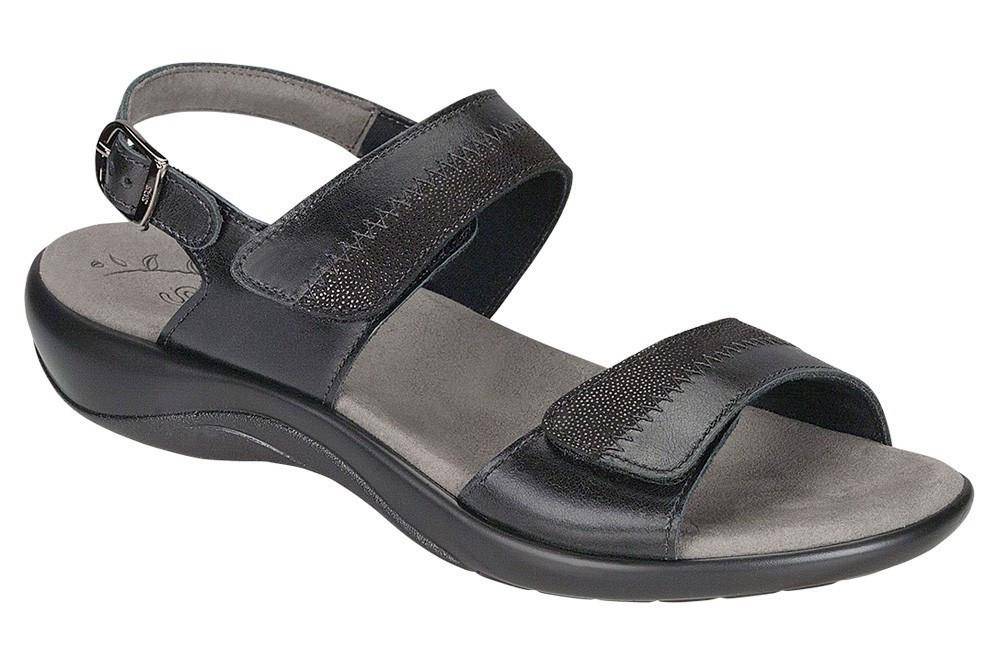
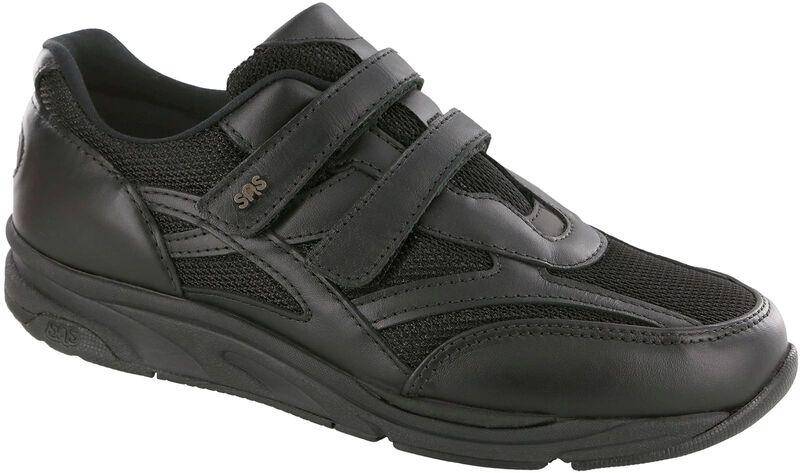
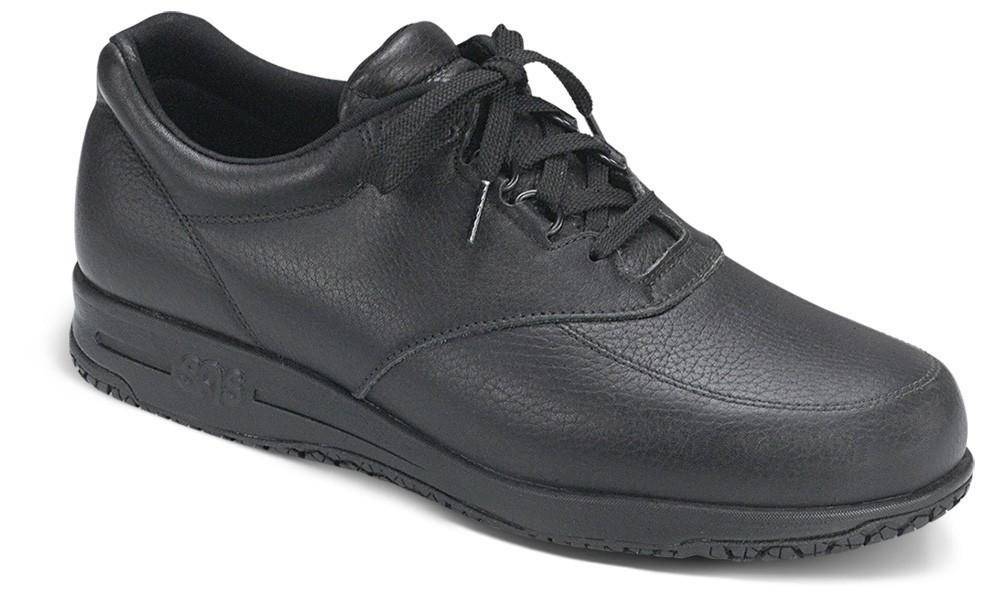
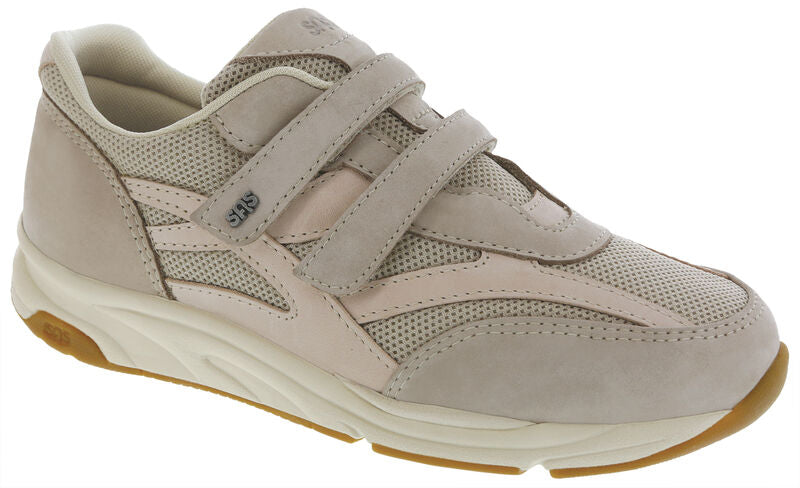
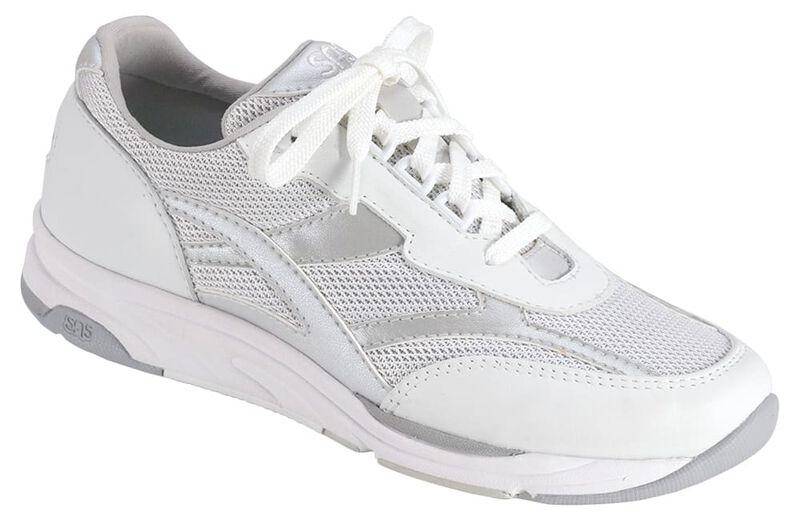
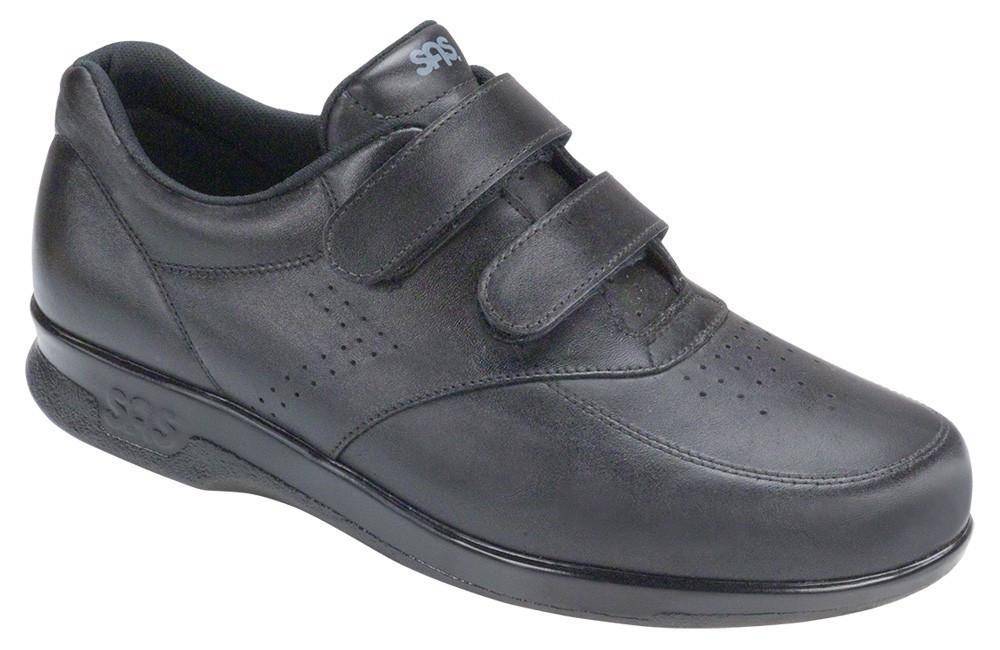
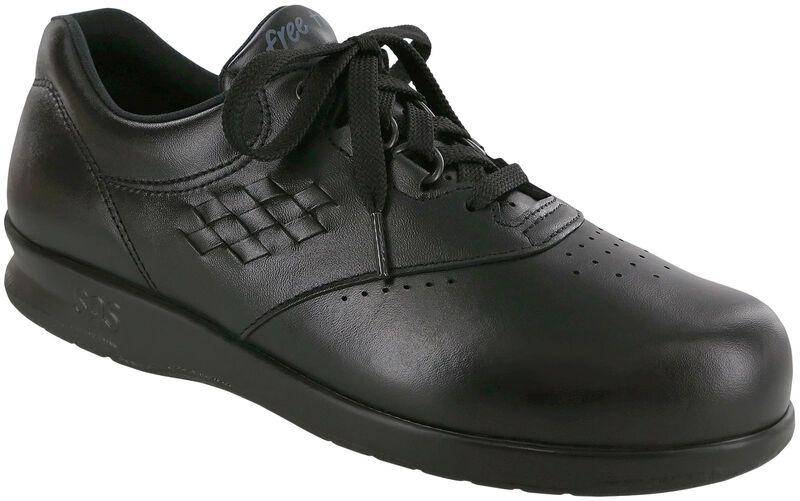
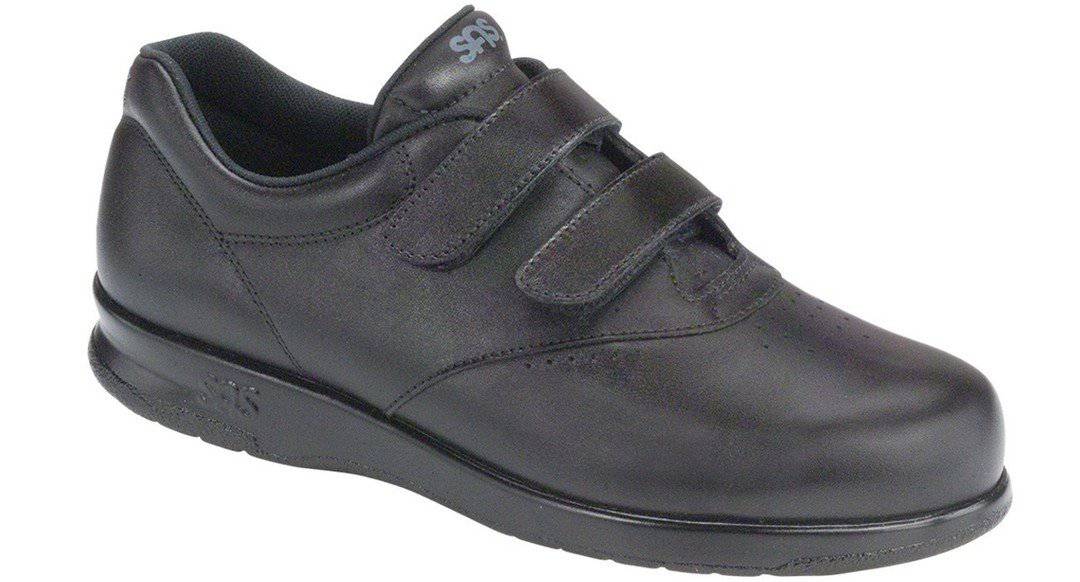
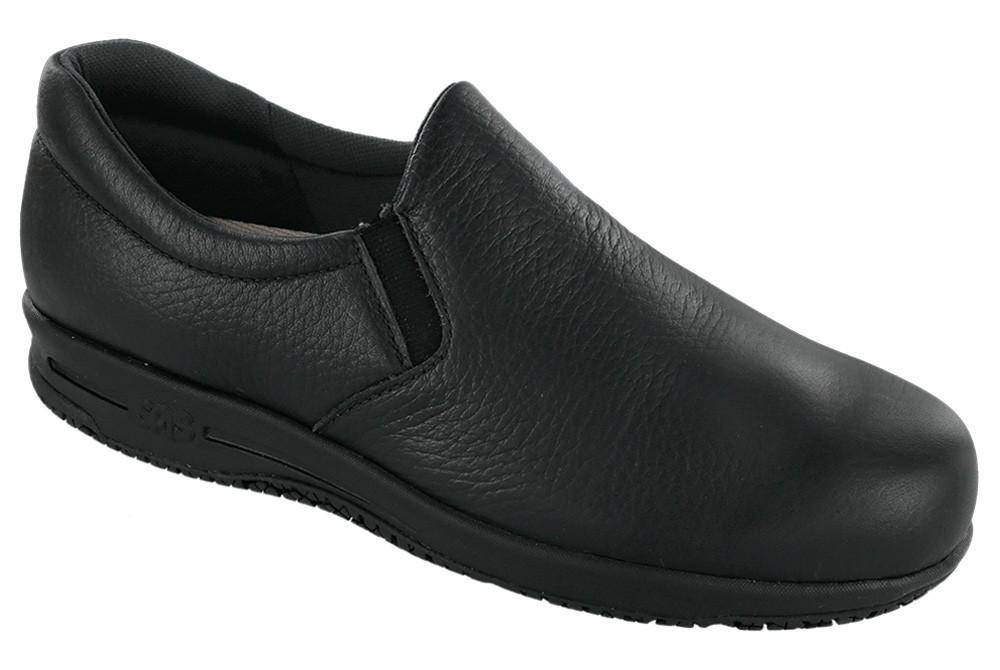
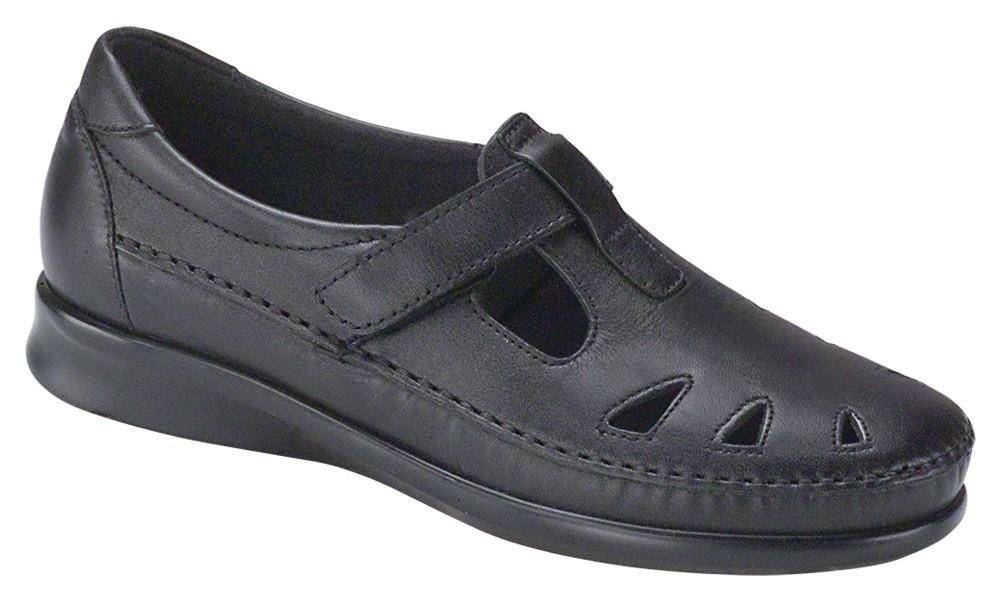
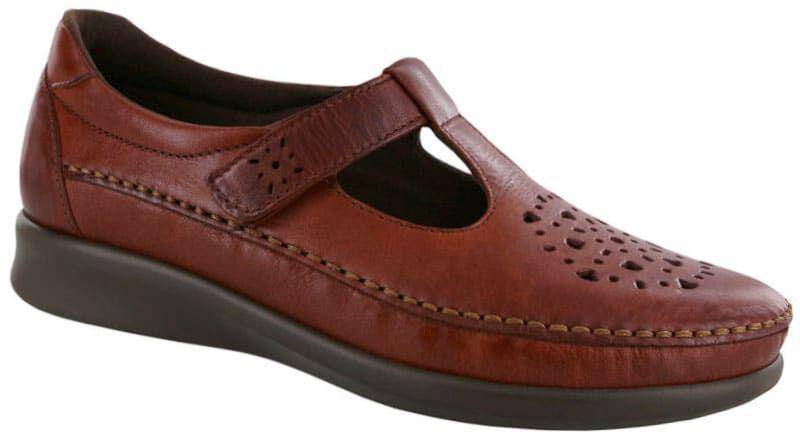
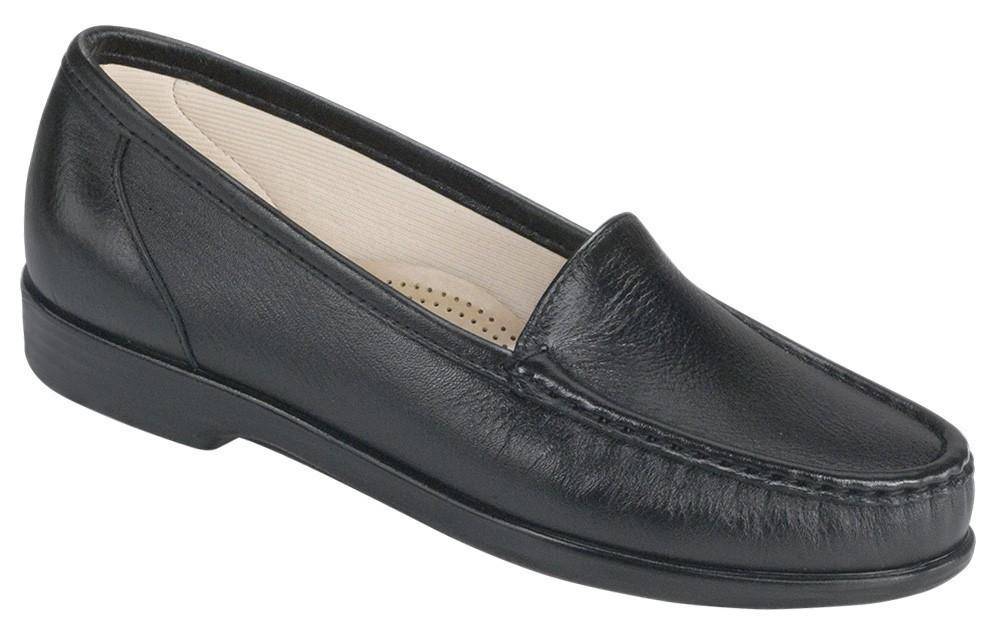
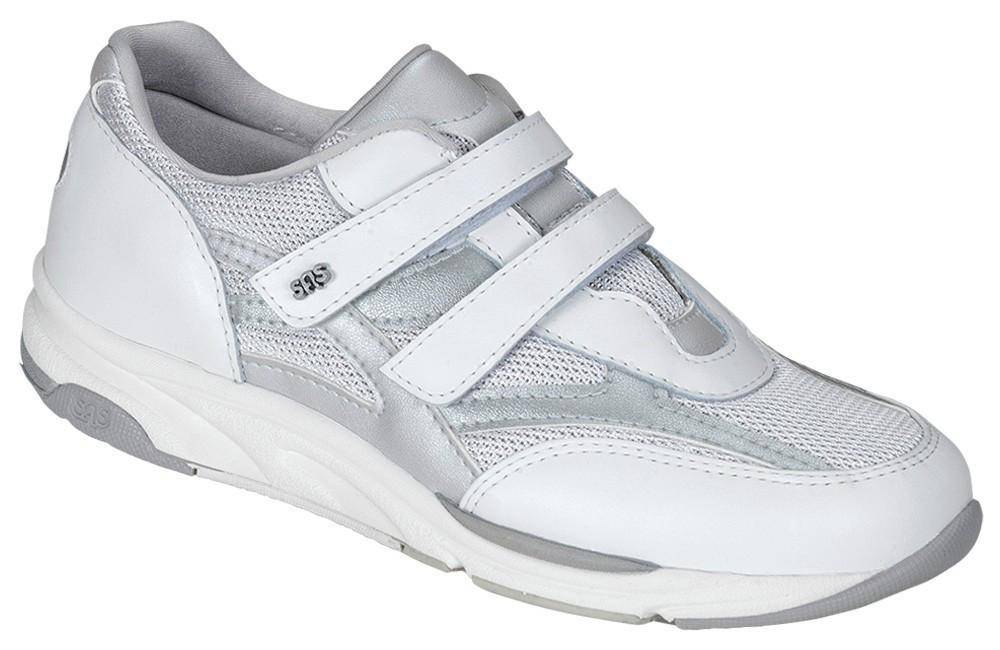
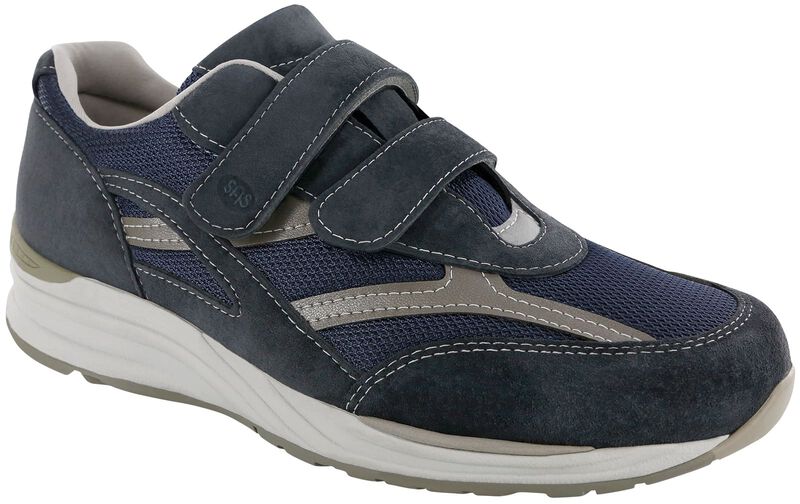
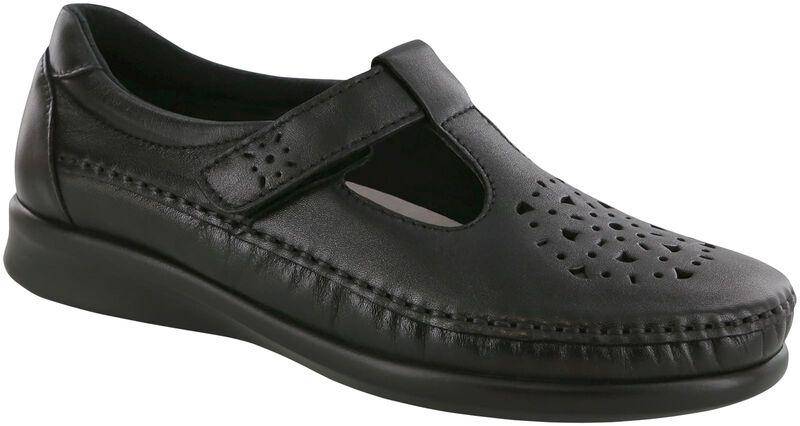
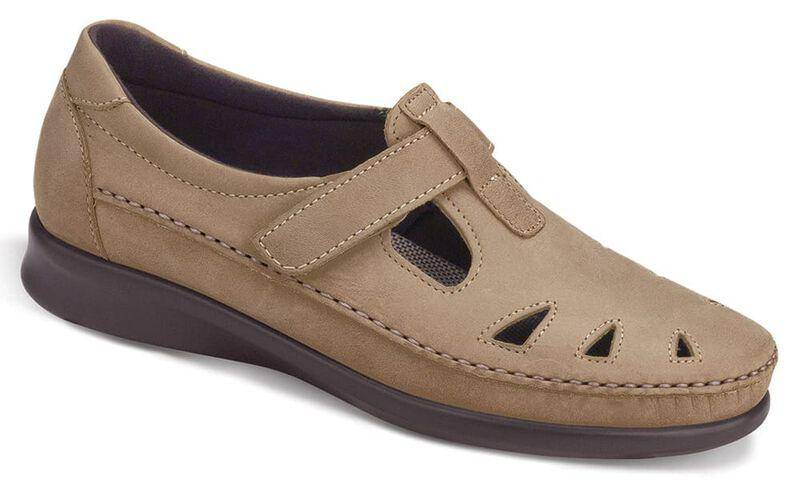
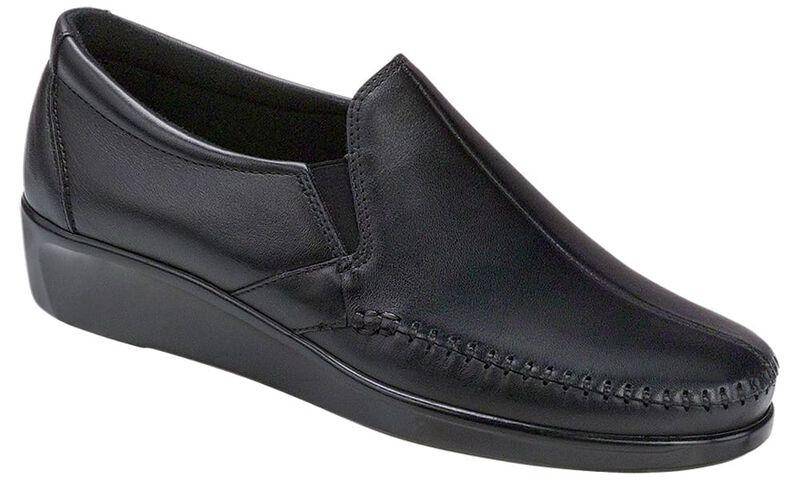
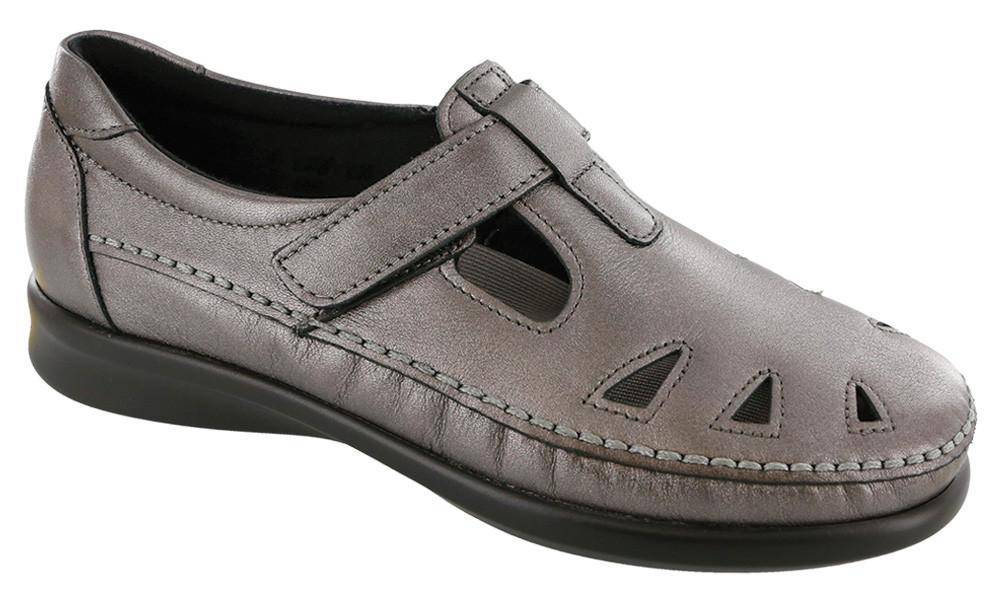
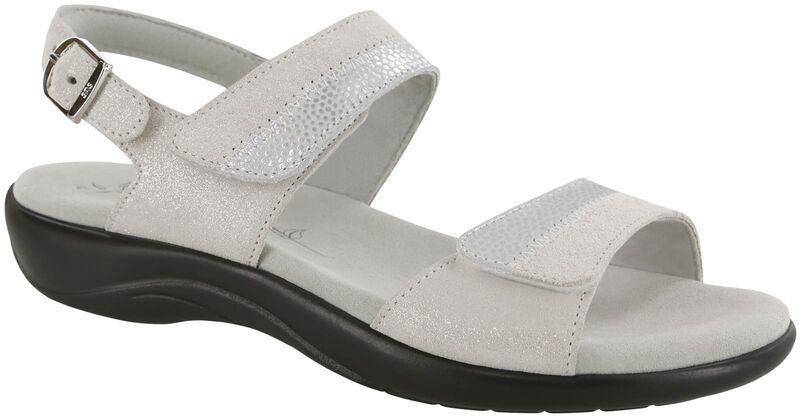
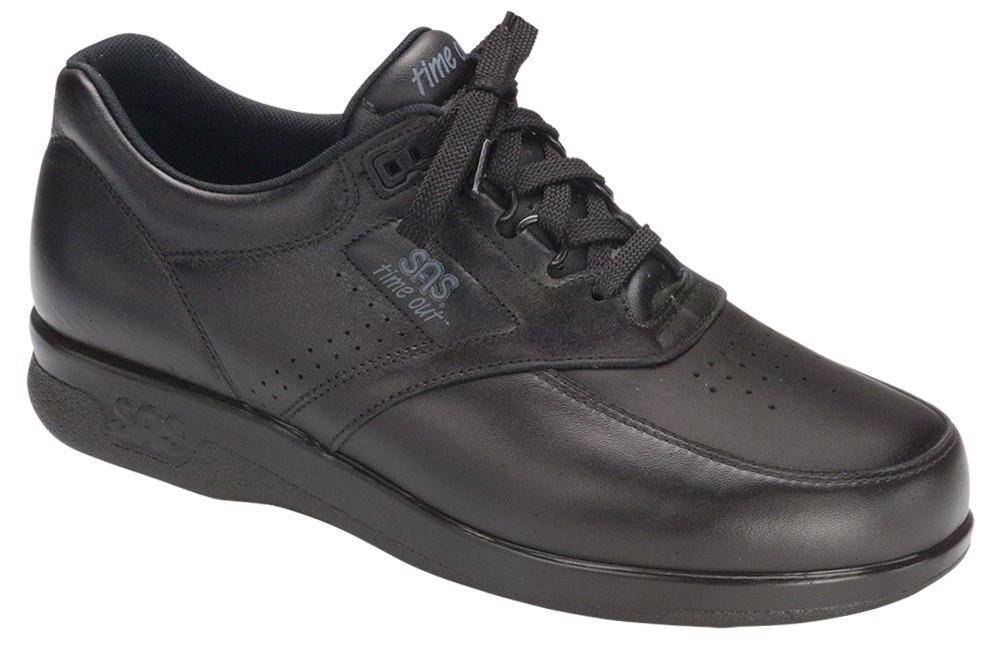
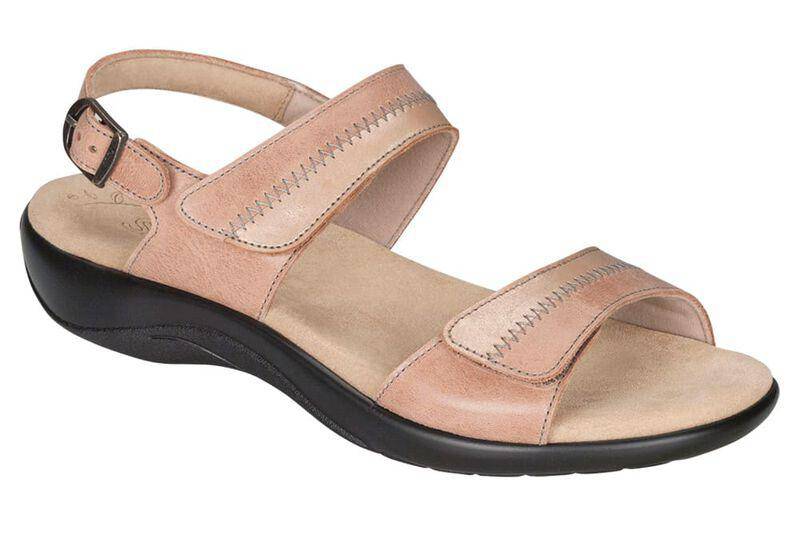
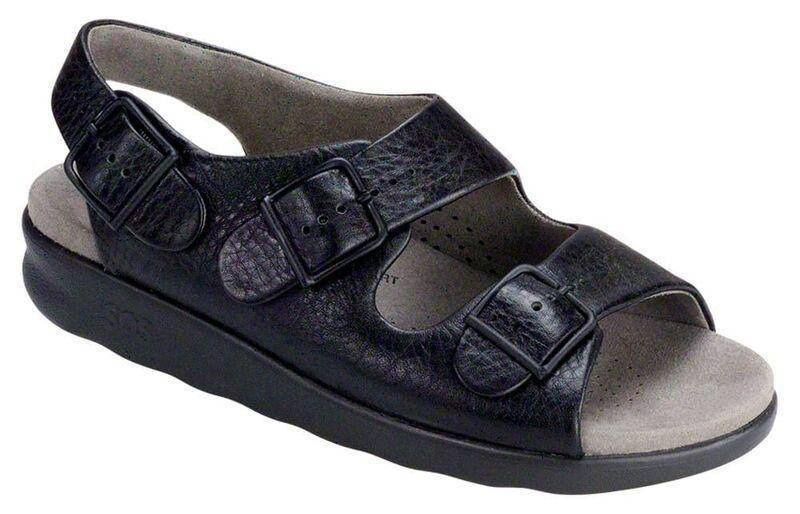
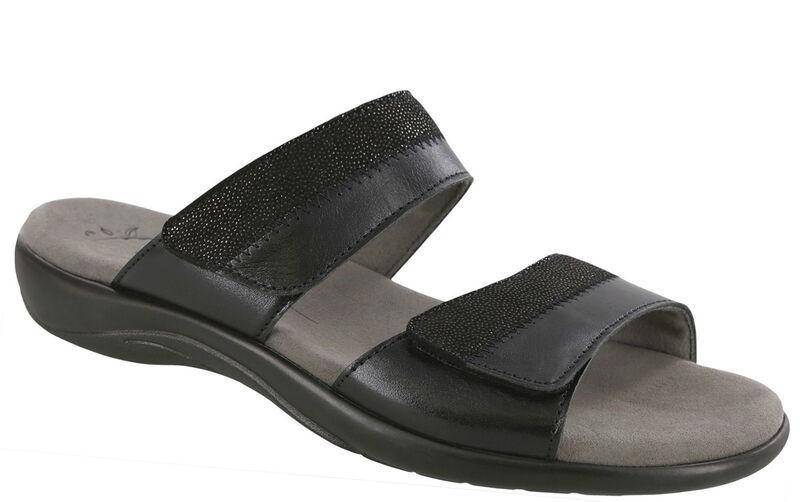
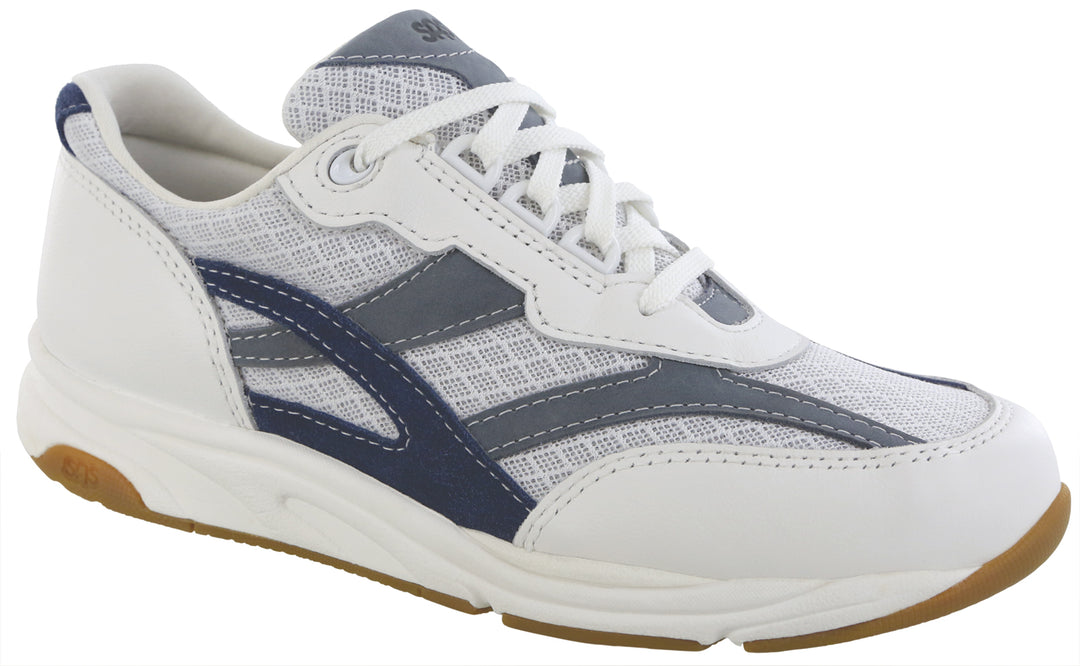
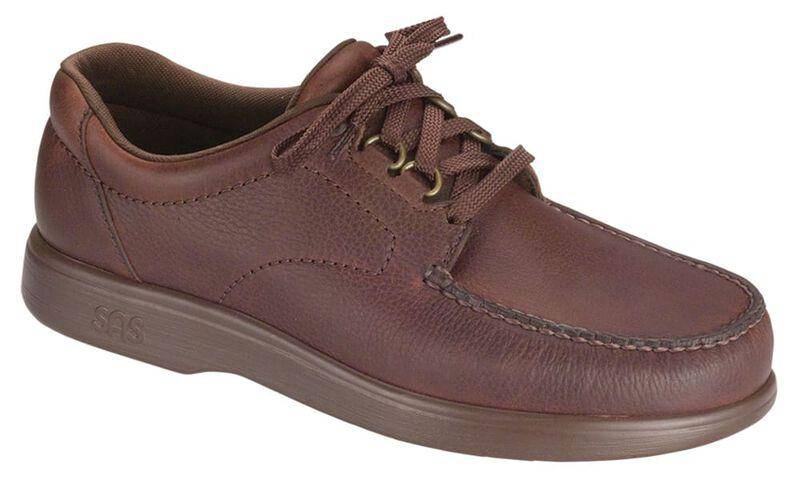
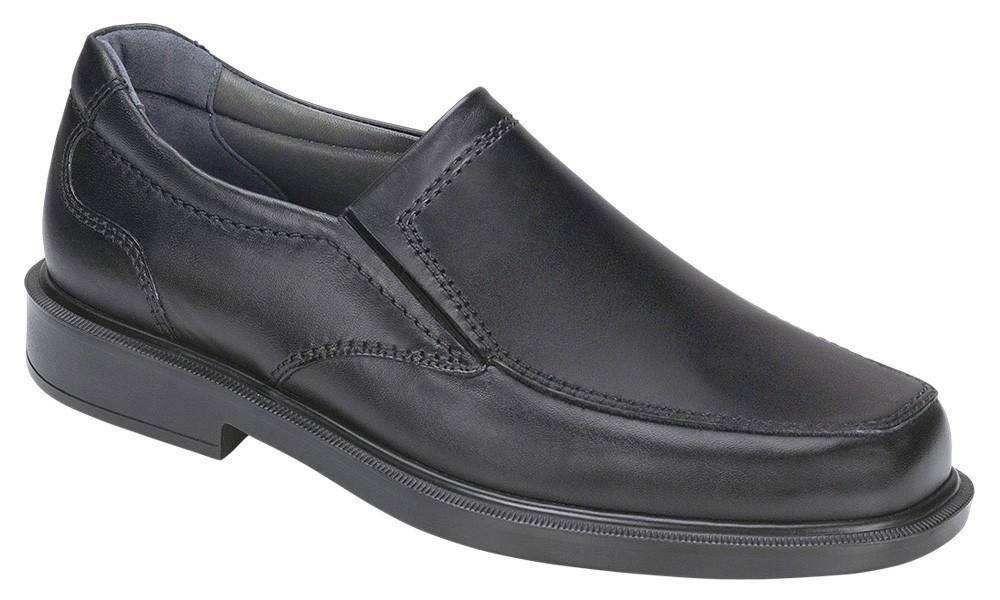
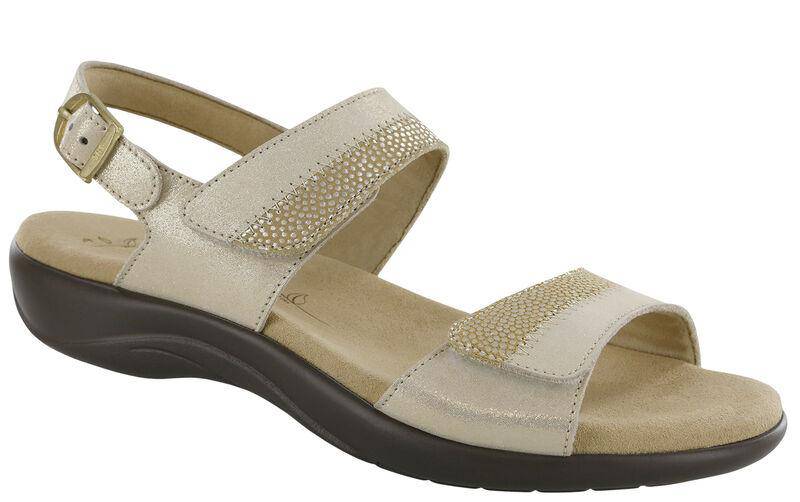
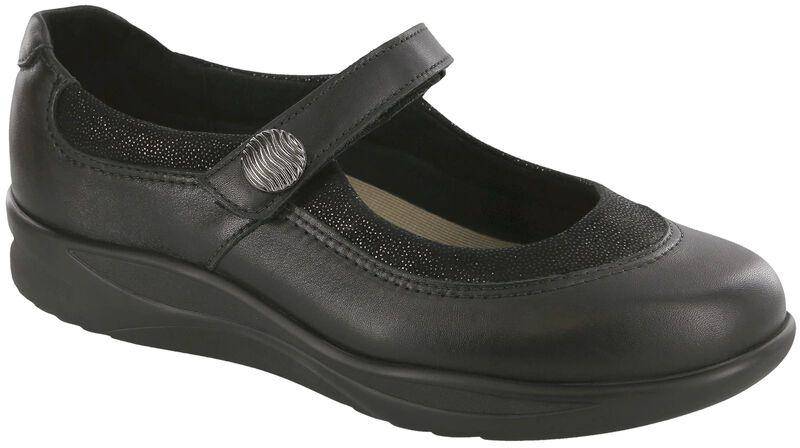
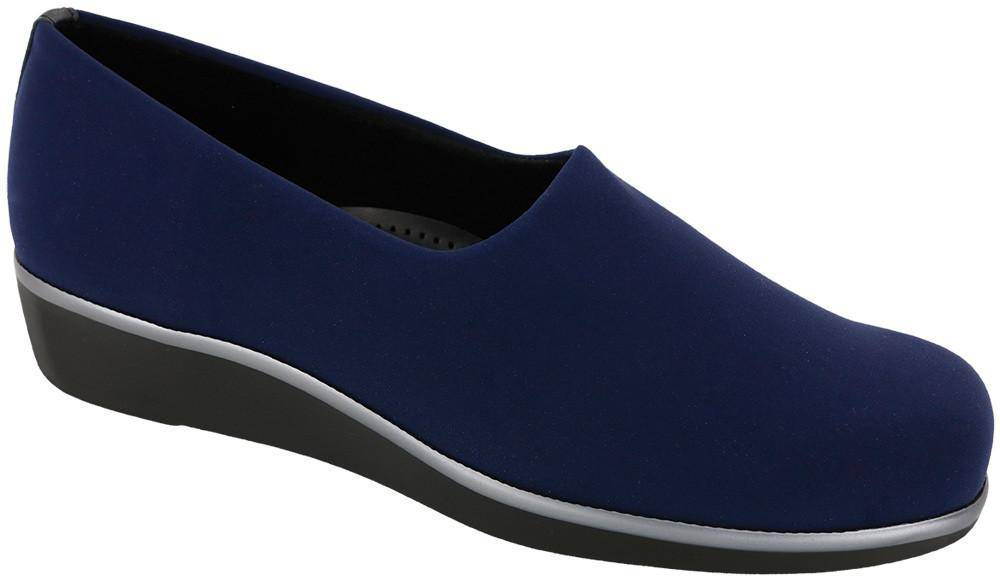
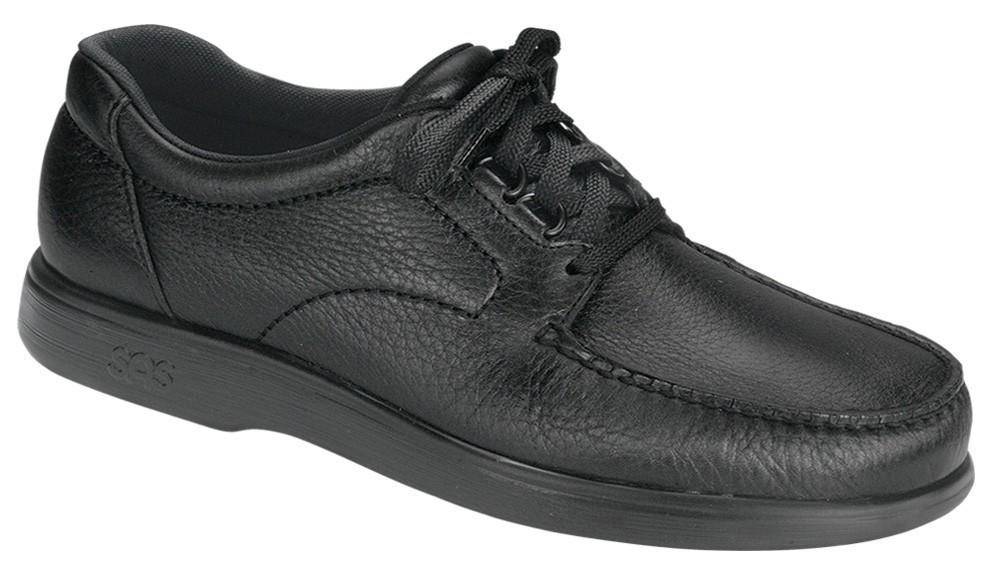
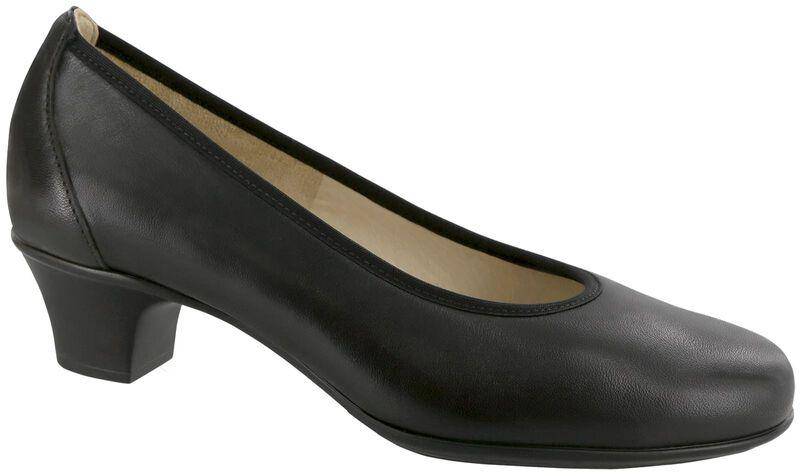
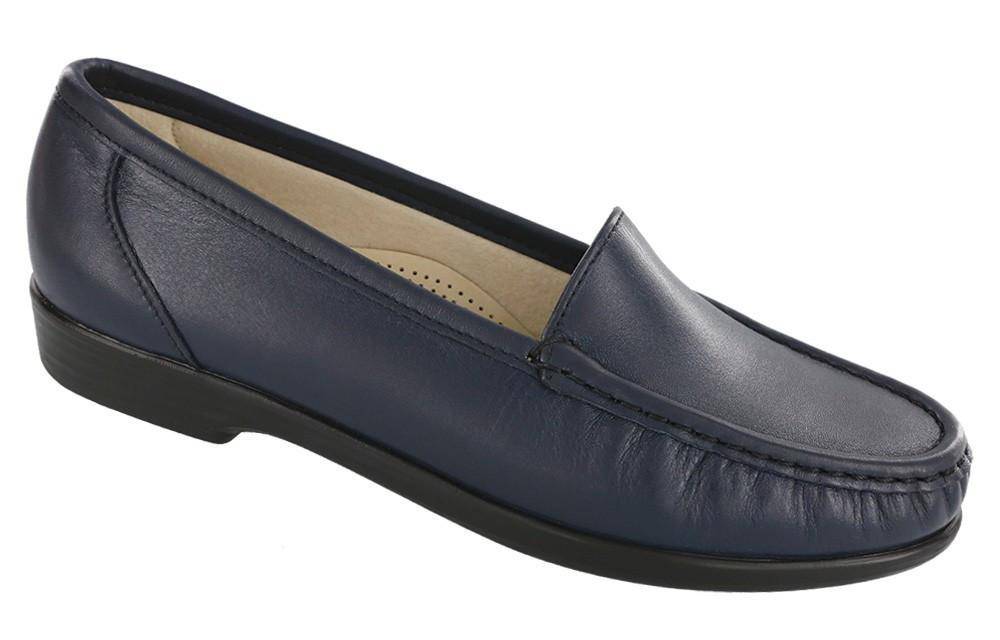
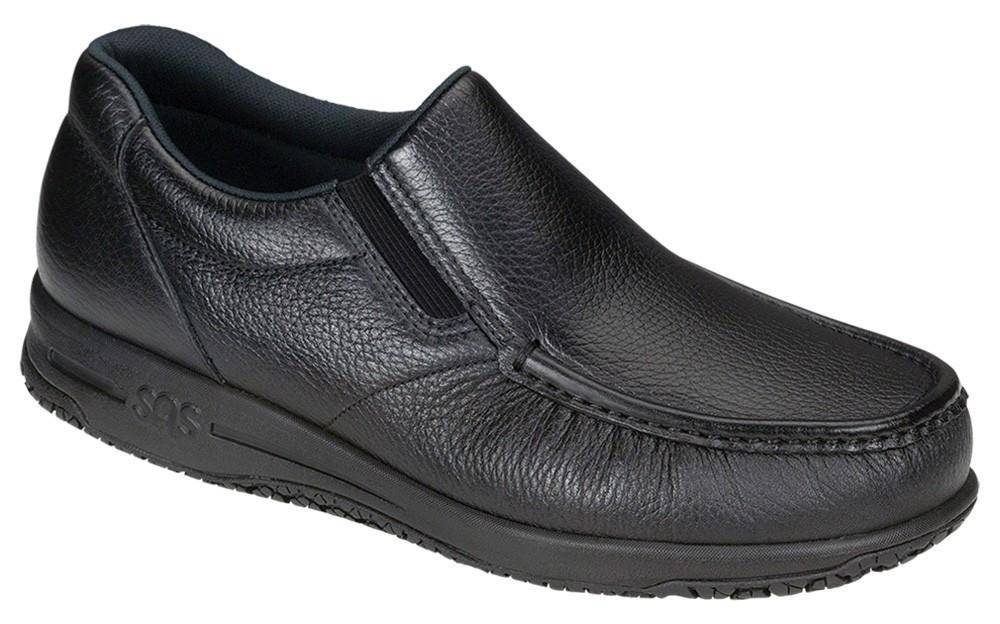
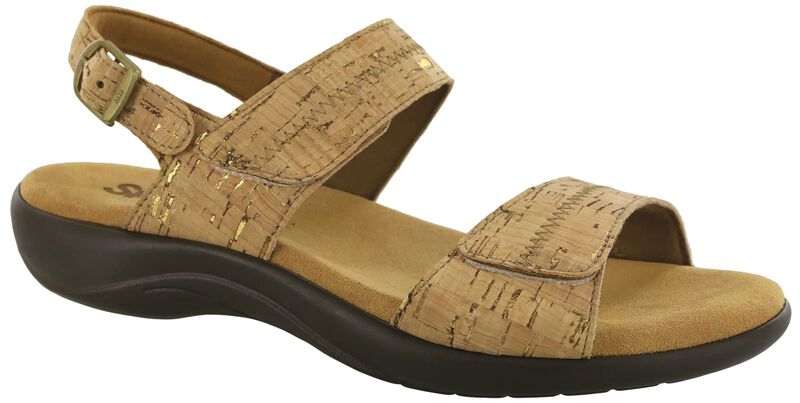
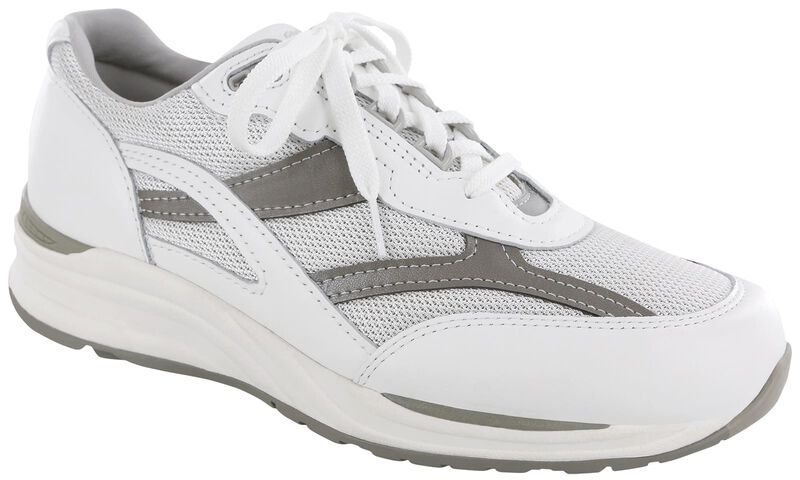
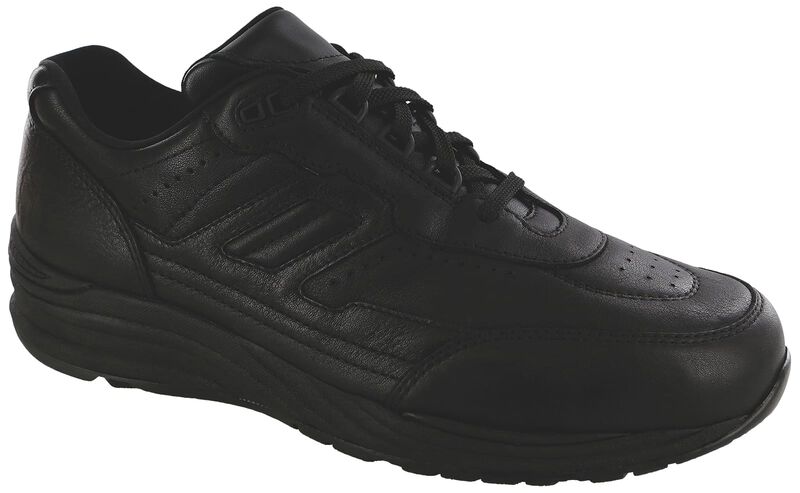
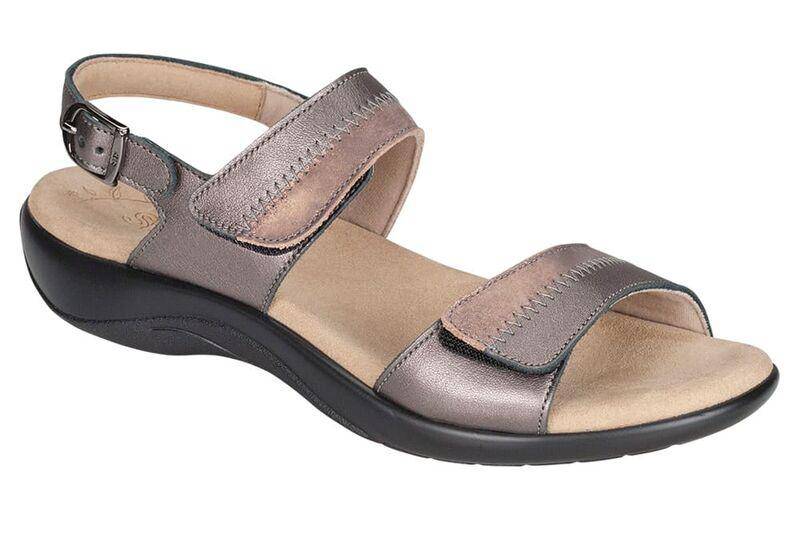
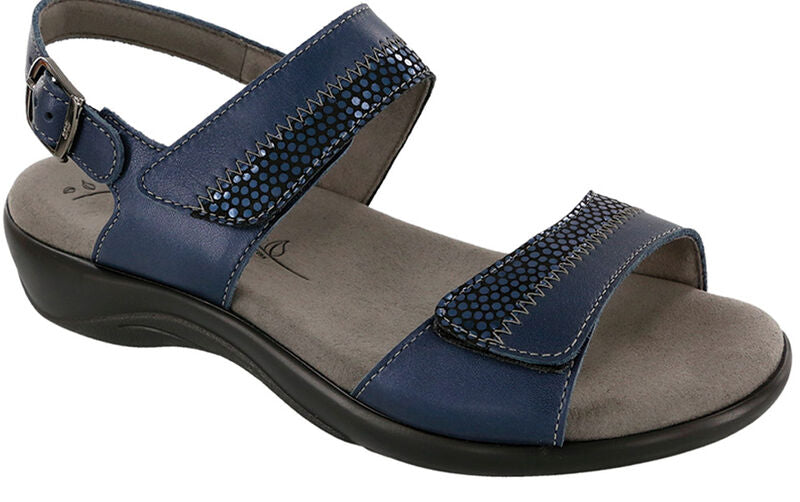
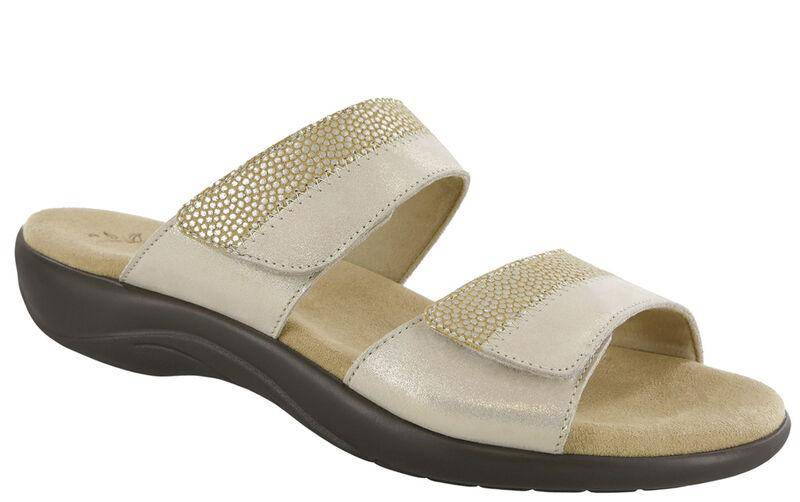
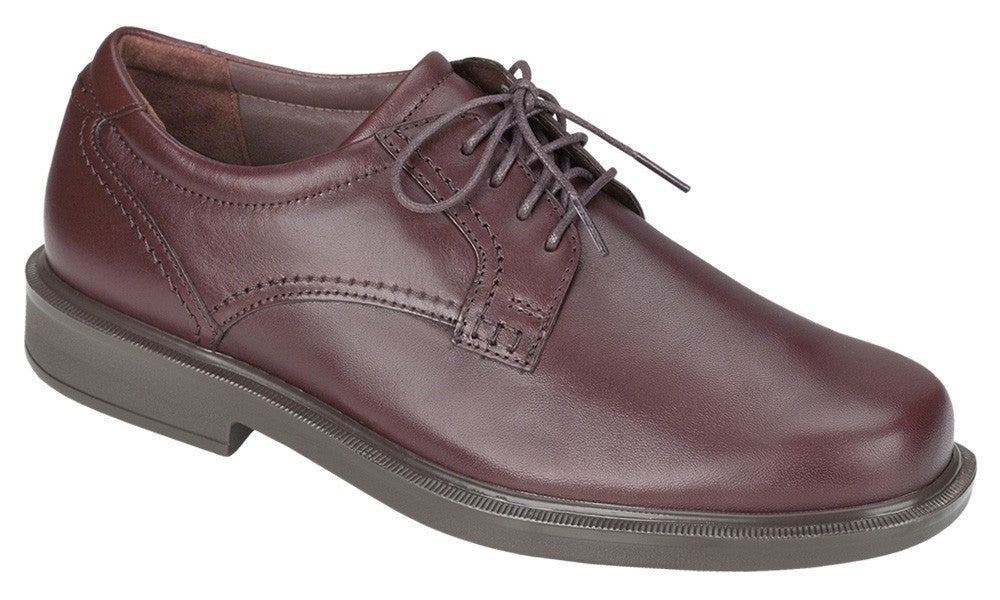
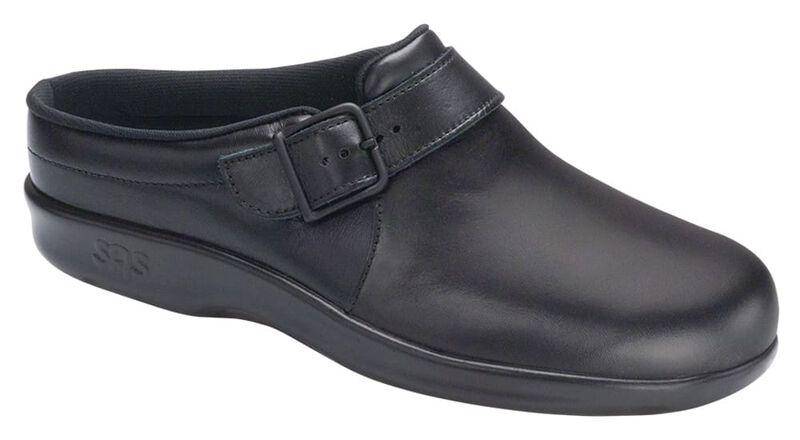
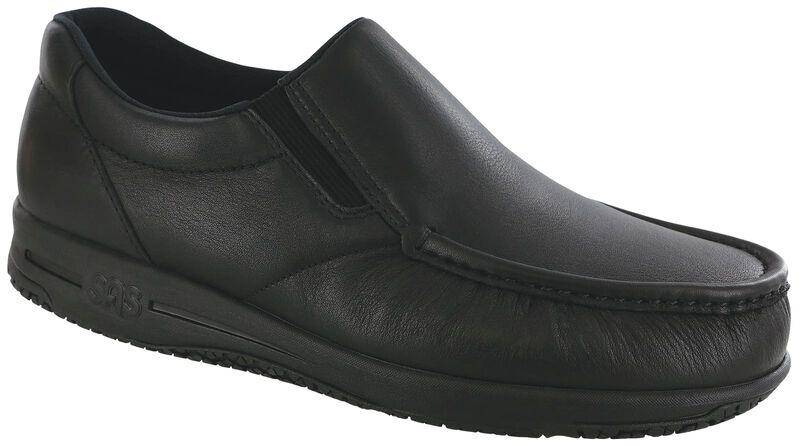
SASMade in the USA, generous toe boxes, and multiple widths up to WW and W3. Our go-to for serious bunions where nothing else fits.
Women's · Men's -
BirkenstockThe open Arizona and adjustable Boston have plenty of room around the big-toe joint, and the strap adjusts as the bunion changes.
Women's · Men's -
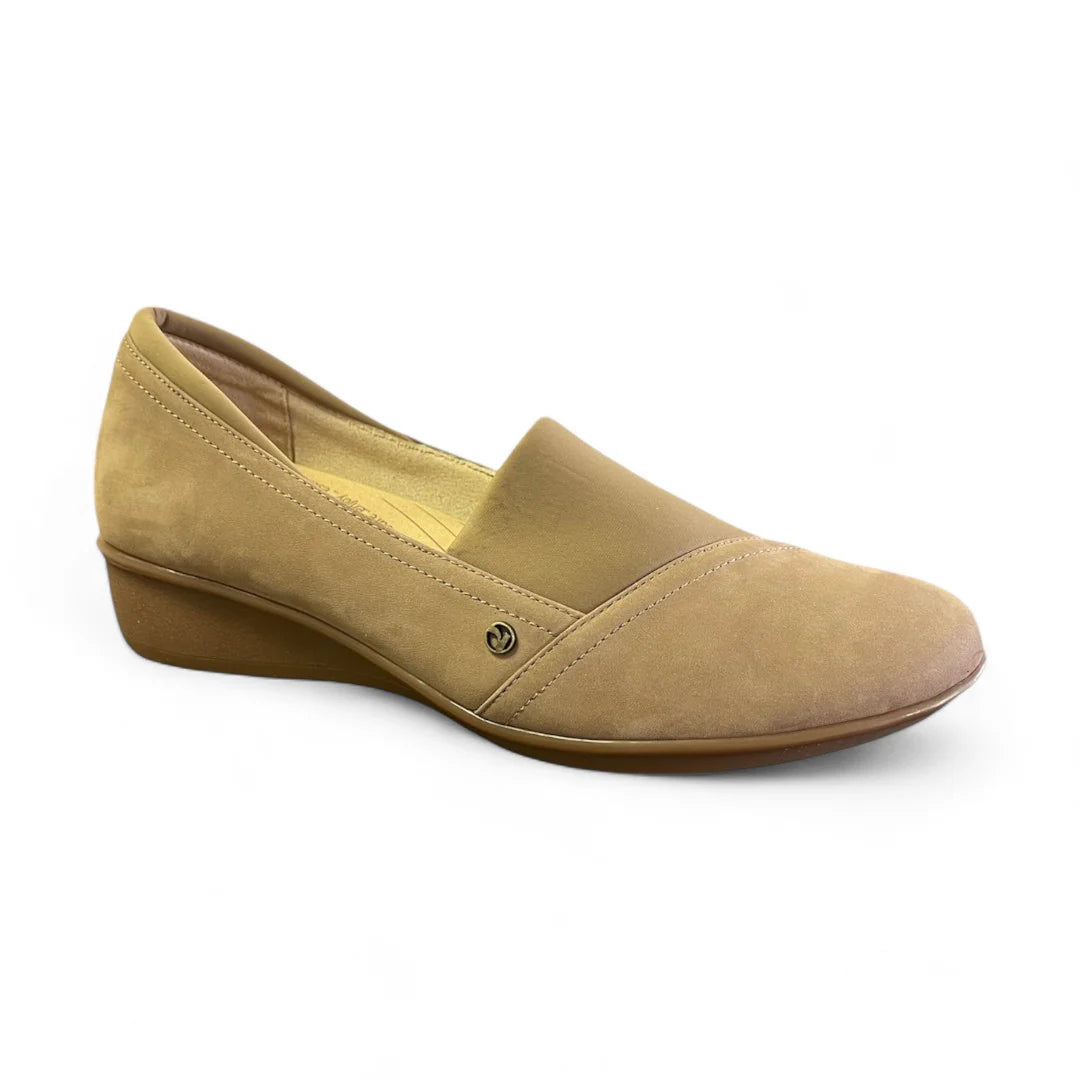
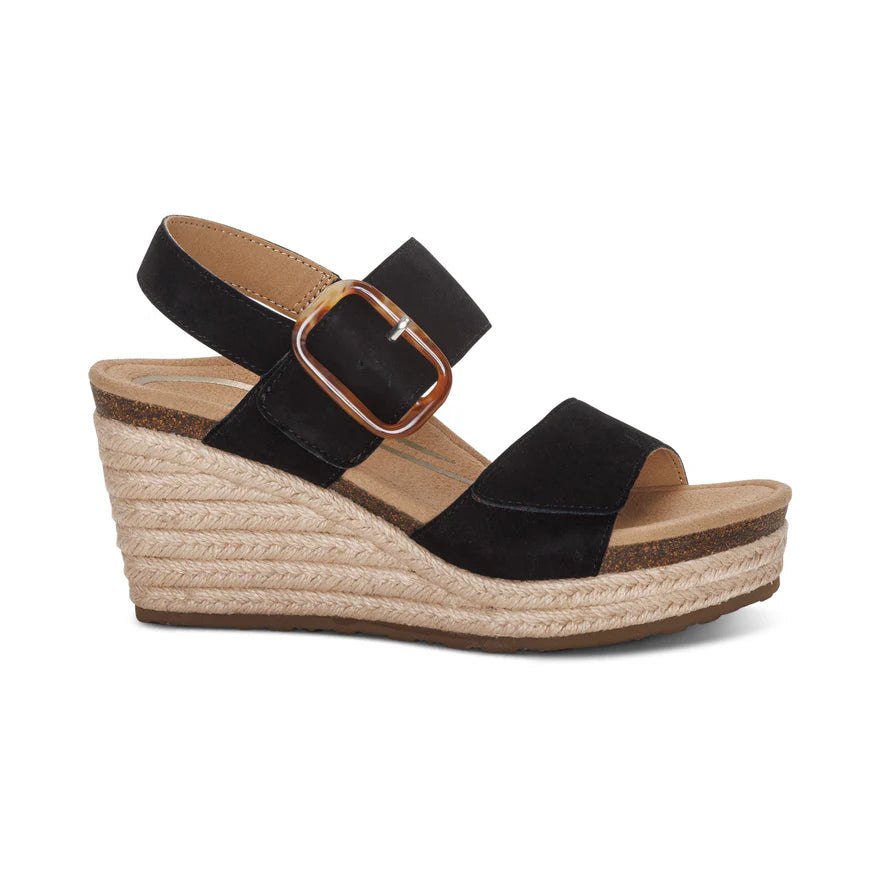
AetrexOrthotic-quality support, wider toe boxes, and stretch panels that give right where the bunion is. Comfort without looking orthopedic.
Women's -
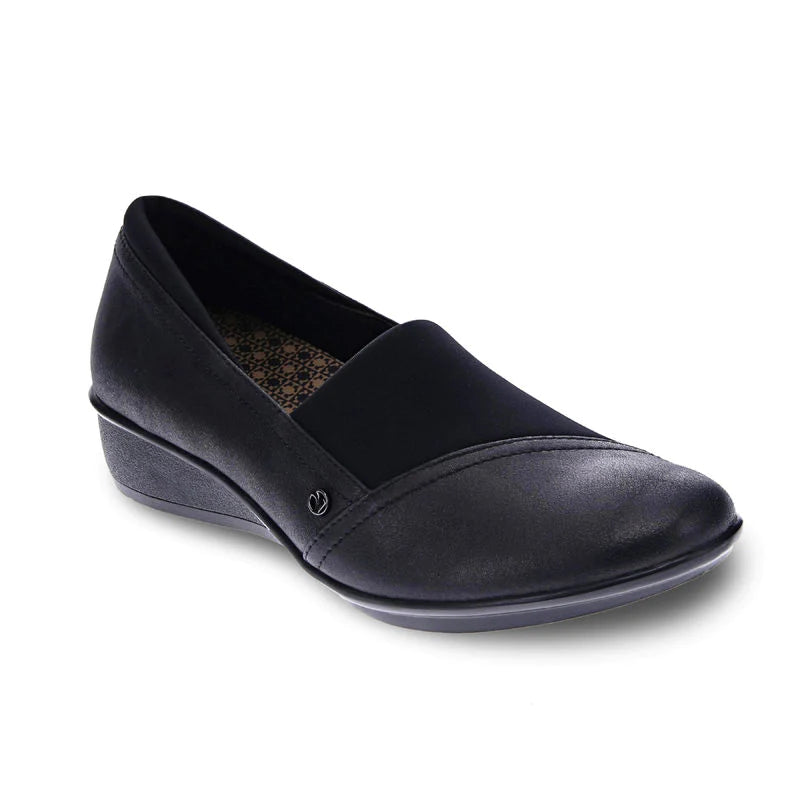
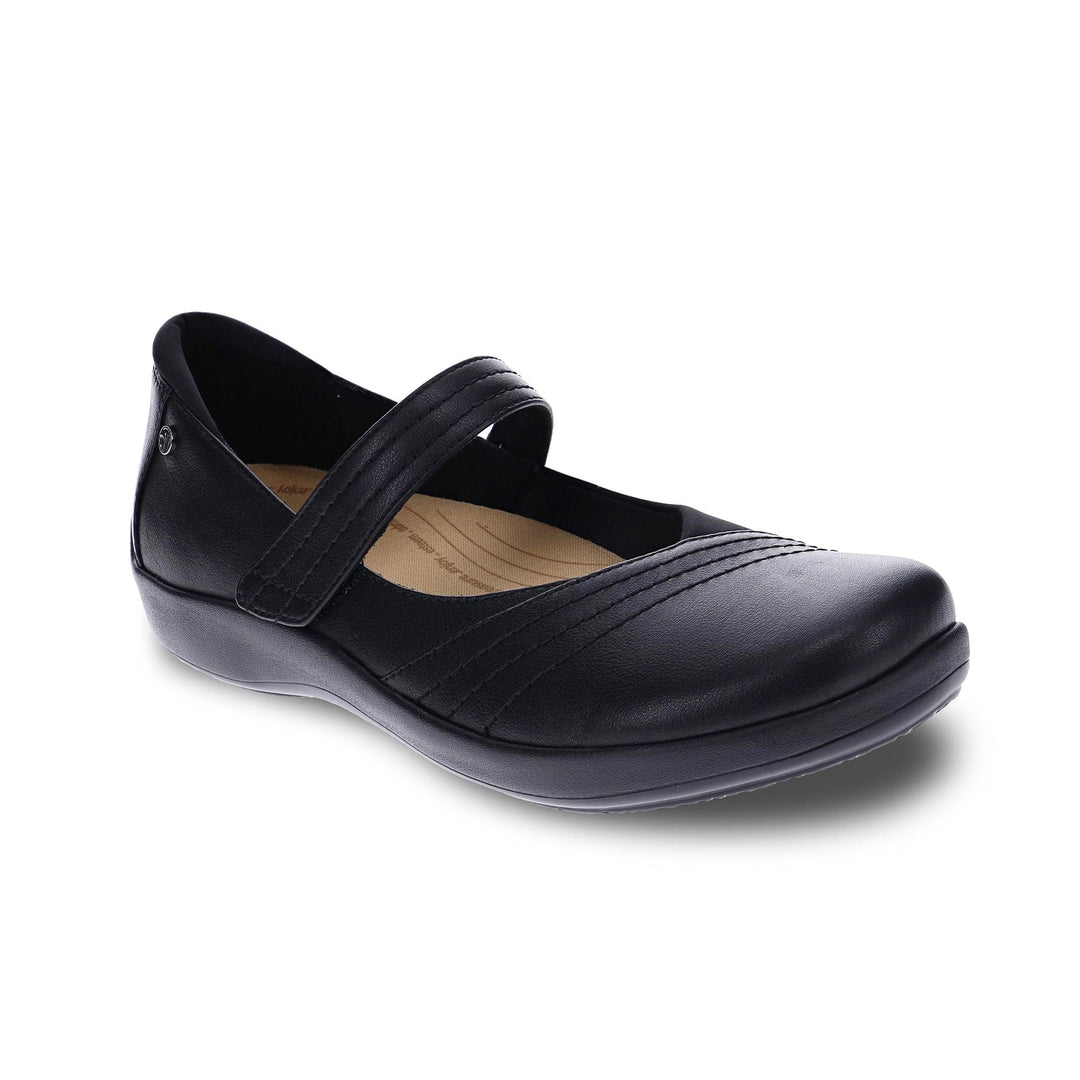
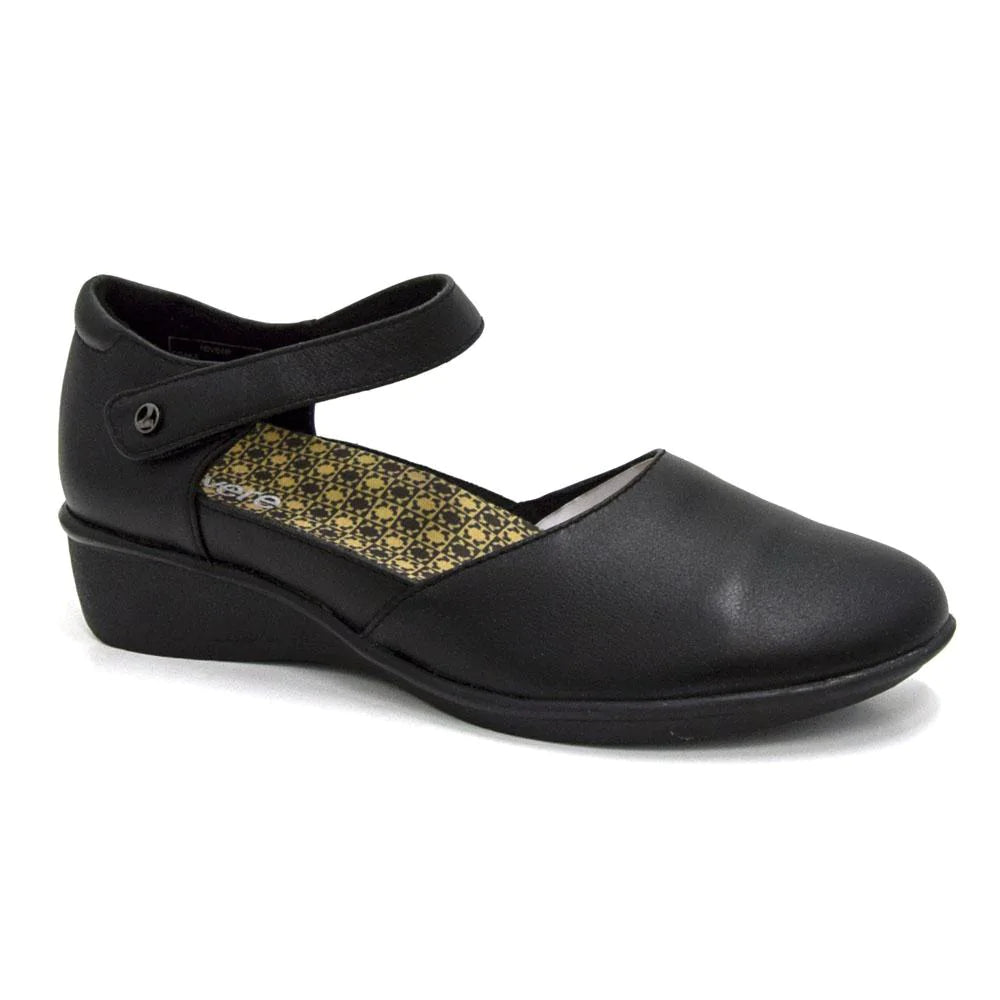
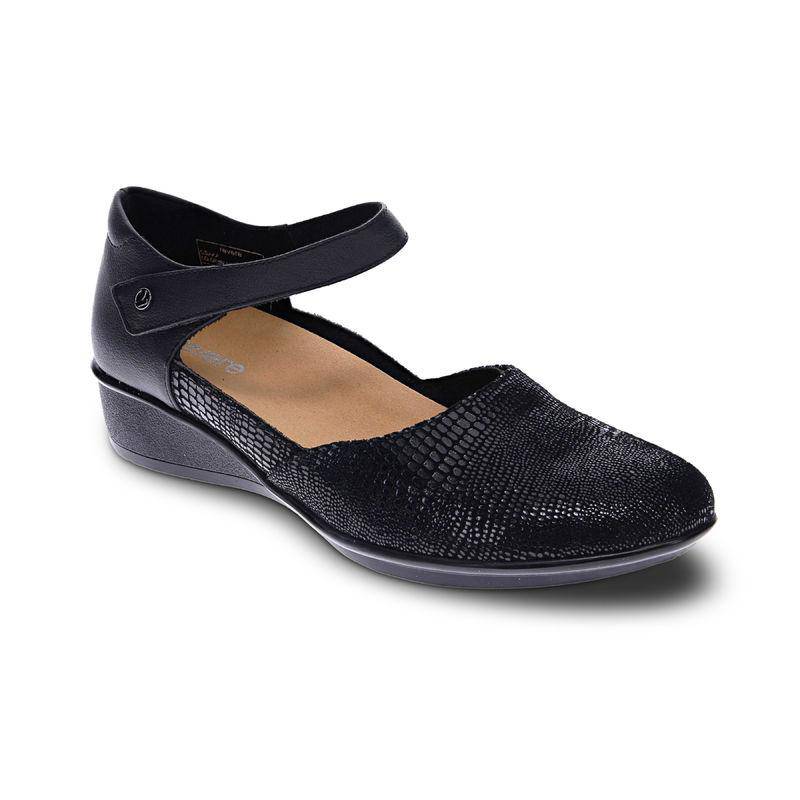
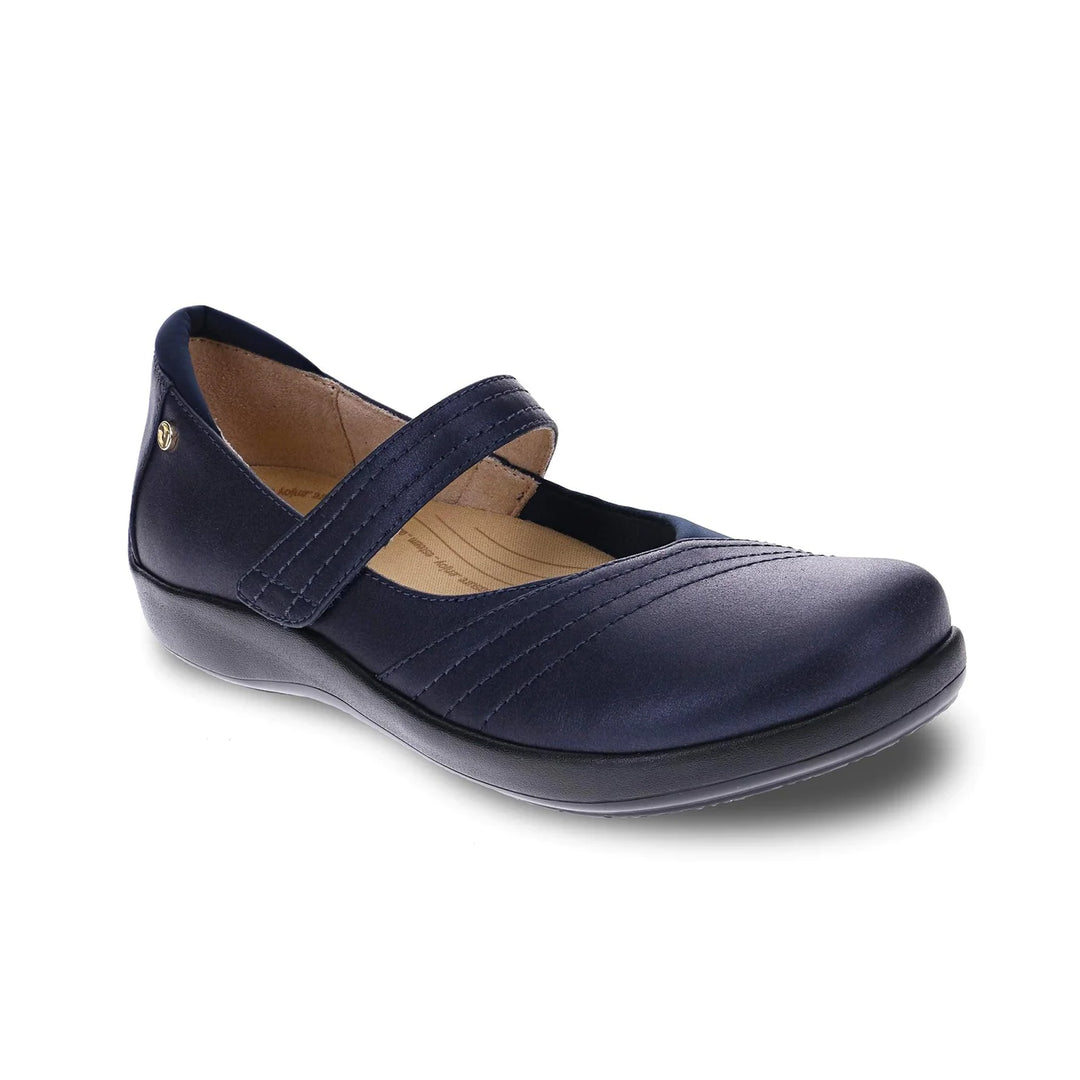
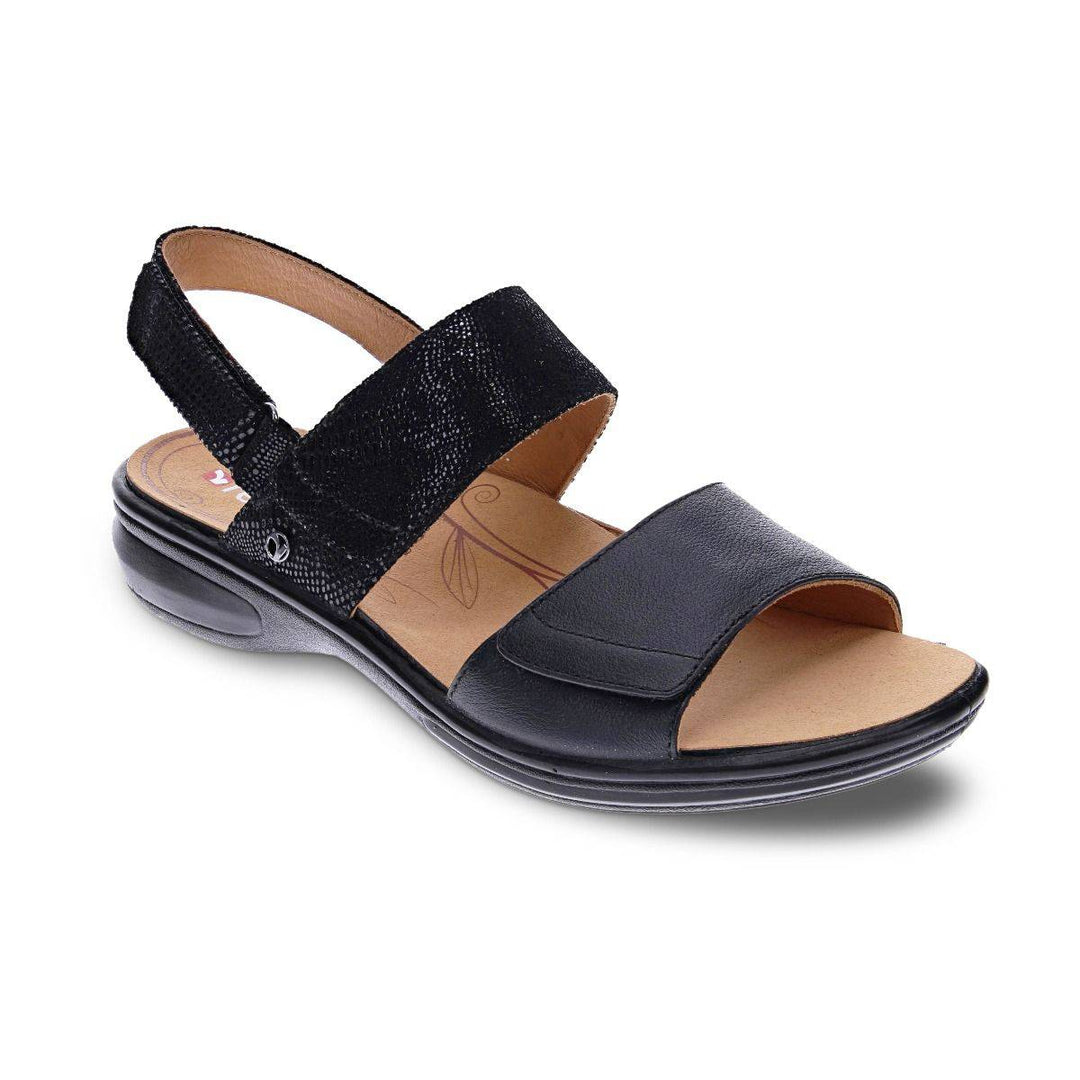
RevereHandmade with soft, stretchy leather uppers and removable footbeds so you can add your own arch support. The Timaru and Osaka are our top bunion picks.
Women's -
Jax & BardOur own women's line. Soft leather uppers, adjustable straps, and no pressure across the ball of the foot.
Women's
Shopping for men? Also see New Balance and Altra, both known for roomy toe boxes, and wide and extra wide.
Filter by brand, size, or width below — or come in and we'll narrow it down in one visit.
What to Look For
Not every "comfortable" shoe works for bunions. What actually matters:
- Wide toe box. Room across the ball of the foot so nothing presses on the bunion. The single most important feature.
- Soft, stretchy upper. Leather, mesh, or knit that gives where the bump is — not stiff synthetics.
- Adjustable straps or laces. So the fit changes as the bunion changes, and pressure comes off the exact right spot.
- Low, stable heel. High heels push the foot forward into the narrow toe area — the opposite of what a bunion needs.
- Removable footbed. Lets you add your own orthotic or arch support.
- Good arch support. Flat feet often make bunions worse. Proper support moves weight away from the big-toe joint.
Arch supports can help too. Bunions often go along with flat feet or fallen arches. The right arch support redistributes weight so less pressure lands on the big-toe joint, which can slow progression and reduce pain. We fit them in person starting at $69.95. How our fitting works · Shop arch supports
Living With a Bunion
- Retire the narrow shoes. Pointed toes, tight flats, and high heels are the biggest cause of bunion pain. Even occasional wear can flare it up.
- Wear supportive shoes at home too. Barefoot on hard floors makes it worse. Keep something supportive by the door.
- Try a toe spacer. A soft silicone spacer between the big toe and second toe can reduce pressure. See shoe accessories.
- Ice after long days. Ten to fifteen minutes if the joint is inflamed.
- Stretch daily. Simple toe stretches keep the joint moving and reduce stiffness.
- Don't ignore it. The sooner you switch to supportive shoes, the more progression you can slow.
When to See a Podiatrist
Most people manage bunions with the right shoes and simple changes. See a doctor if:
- The pain is severe or you can't put weight on the foot
- It's getting noticeably worse fast
- You can barely find any shoe that fits without pain
- There are signs of infection — redness, warmth, fever
- The joint is stiff or the big toe won't move normally
- Home care hasn't helped after two to three months
A podiatrist can offer custom orthotics, cortisone injections, night splints, or — as a last resort — surgery.
How We Fit You
Walk in. No appointment. We measure both feet, width and length — one is almost always bigger — and take a free Harris mat imprint to see where the bunion sits and how you load the foot. Then we match you to the right shoe and you walk in it before you buy. More on our five-step fitting.
Also worth a look: wide and extra wide · plantar fasciitis · on your feet all day
FAQ
What's the best shoe for a bunion?
There's no single best — it depends on how advanced the bunion is and the shape of your foot. For most people we start with SAS, Aetrex, Revere, or Birkenstock. Come in and we'll narrow it down in one visit.
Can shoes actually fix a bunion?
No. Only surgery corrects a bunion. But the right shoes significantly reduce pain, slow progression, and keep you active. Many people never need surgery.
Do bunion pads or toe spacers work?
They help with pain and pressure relief but won't reverse anything. Best used alongside a properly fitted shoe.
Should I get bunion surgery?
That's between you and a podiatrist. Most people try shoes, arch supports, pads, and lifestyle changes first, and many find they never need it.
Do you carry wide and extra wide?
Yes. SAS in particular goes up to WW and W3. Tell us what you need and we'll show you what's in stock.
Do you offer any discounts?
Yes. 10% off for hospital workers, military, and restaurant workers at all four locations. Show us your badge, scrubs, or ID at checkout.
Come get fitted. Free fitting, no appointment, at Magazine Street · French Quarter · Metairie Road · Severn. Questions? Call 504-910-2900. Third-generation shoe people, in New Orleans since 2002.
This page is for informational purposes and is not medical advice. If your bunion pain is severe or getting worse, please see a podiatrist.